Fabricants et fournisseurs de panneaux en bois naturel de haute qualité en Chine. Nous produisons : Panneaux acoustiques en bois Panneaux en PET
Si votre demande n'est pas traitée dans les plus brefs délais, veuillez indiquer votre adresse WhatsApp/Skype dans le message, afin que nous puissions vous contacter dès la première fois.
Nous vous répondrons dans les 24 heures. En cas d'urgence, veuillez ajouter WhatsApp/WeChat : +86-13678899682 directement.
Thin walls let sound travel freely.TV noise, voices, and constant vibration from noisy neighbours ruin sleep, focus, and peace.With the right soundproof strategy—combining mass, acoustic insulation, and smart wall design—you can soundproof a wall and take control of your space.
To soundproof a wall from noisy neighbors, you need to add mass, absorb sound, and break vibration paths. Using layered drywall, insulation, and proven wall soundproofing solutions can significantly reduce noise, especially through a party wall or shared wall.
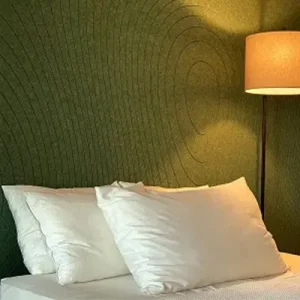
Sound is energy. When sound waves hit an existing wall, they cause sound vibration, allowing noise to transmit through the structure. Lightweight or thin walls vibrate more easily, which explains why you hear conversations, TV noise, or music from next door.
Many residential and commercial buildings lack enough sound insulation or high mass materials. Once sound enters the wall cavity, it can bounce around, increasing the reverberation of sound and making the noise levels feel even worse. This is a common noise issue in apartments and offices worldwide.
As a professional manufacturer of PET and wood acoustic panels in China, we work with architects and contractors who face this problem daily. Most complaints are not about one loud sound—but constant noise leaking through poorly designed walls.
Before choosing a soundproofing solution, identify the type of noise. This step defines the best way to soundproof.
Airborne noise: voices, music, tv noise, barking
Impact noise: footsteps, doors, noise from upstairs
Airborne noise requires adding mass and absorption to block airborne sound. Impact noise needs methods that decouple the structure to stop vibration paths. Treating the wrong noise is one of the biggest reasons soundproofing fails.
Key insight: Effective wall soundproofing almost always combines more than one technique.
Every professional guide to soundproofing follows three fundamentals:
1. Add mass
More weight means less vibration. Installing a new layer of drywall, especially material denser than standard plasterboard, adds mass to the wall and helps dampen noise.
2. Absorb sound
Materials like mineral wool or Feutre PET absorb sound energy inside the wall cavity. This reduces sound transfer and helps reduce sound transmission through the structure.
3. Decouple the wall
Using resilient channel or creating a gap between the existing wall and a secondary layer breaks vibration paths. This method is one of the most effective ways to effectively soundproof a wall.
Together, these steps reduce the transmission of sound far more than any single product alone.
Yes. A stud wall behaves like a drum if untreated. Hollow cavities amplify sound, making soundproofing a stud wall more demanding.
For a typical stud structure:
Fill cavities with insulation
Add multiple drywall layers
Use resilient channel to decouple
A solid wall (concrete or masonry) already has mass but still benefits from absorption and decoupling. In both cases, proper wall sound insulation dramatically improves comfort.
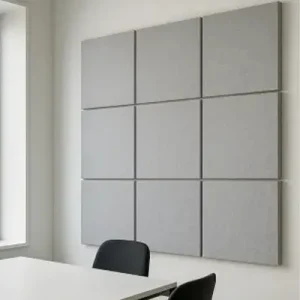
Soundproof Panel
A party wall or shared wall is the most common source of neighbour noise. Proven effective wall soundproofing solutions include:
Independent metal or timber frame (new wall)
High-density soundproofing panels
PET or wood acoustic wall panels
Full perimeter sealing to stop noise travelling
For brick party walls, a layered system on a brick wall using absorption and mass works best. We supply OEM-ready wall soundproofing solution systems for hotels, offices, and residential projects where peace and quiet is essential.
If construction is not an option, you can still soundproof a room cheaply by reducing reflections and leakage:
Thick curtain on the wall
Heavy rug on the floor
Decorative wall hangings
Seal sockets and gaps
These methods won’t completely soundproof, but they reduce the noise and help dampen sound, especially in rental properties or temporary spaces. Even soft furnishings can noticeably improve comfort.
Yes—when used correctly. Soundproofing panels are designed for sound absorption, not full blocking.
PET and wood acoustic panels:
Absorb sound instead of reflecting it
Improve speech clarity
Reduce fatigue from every noise
As a factory-direct OEM supplier, we customize thickness, NRC performance, fire ratings, and finishes for B2B projects. Panels alone won’t block all sound, but they are one of the most effective upgrades when combined with mass.
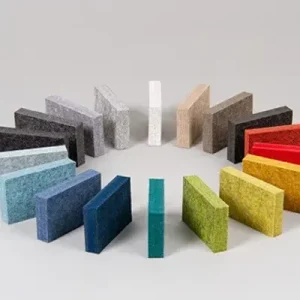
Acoustic Panels Block Sound
Brick party walls still transmit vibration. The most reliable approach is layered construction:
Add absorption directly to the wall
Install a decoupled frame
Add a new layer of drywall
For thin walls, increasing high mass is critical. Lightweight foam alone will not stop voices or bass-heavy sound. Real performance comes from proper sound reduction design.
Common failures include:
Ignoring flanking paths (noise coming via ceilings or floors)
Treating only one surface
Using lightweight materials
Leaving gaps that allow sound to pass
Another mistake is relying on white noise to mask problems. Masking does not stop noise. Proper wall design does.
If you need to create a soundproof environment—studios, hotels, hospitals, offices—a secondary wall system is the best choice. This approach:
Fully decouples structures
Adds mass and absorption
Controls vibration at the source
It is the most reliable way to restore peace and quiet when noise from noisy neighbours affects daily life. For large-scale projects, we engineer complete soundproofing solutions with tested performance.
%wall system soundproofing solution
Can I completely soundproof a wall?
Not 100%, but with proper mass, absorption, and decoupling you can get very close.
What is the fastest way to reduce noise from neighbours?
Seal gaps, add absorption, then increase wall mass. This quickly tackle noise.
Is drywall enough for soundproofing?
Drywall helps, but works best with insulation and decoupling.
Do curtains and rugs really help?
Yes. A rug and heavy curtain reduce reflections and perceived loudness.
Should I treat one wall or the whole room?
Start with the shared wall, then address flanking paths if needed.
Soundproof problems require layered solutions
Identify airborne vs impact noise first
Stud walls need insulation and mass
Party walls benefit from decoupled systems
Acoustic panels improve absorption and comfort
Professional wall soundproofing helps restore peace and quiet

 French
  English
  German
  Italian
  Spanish
  Arabic
  Russian
  Dutch
Dutch