Fabricants et fournisseurs de panneaux en bois naturel de haute qualité en Chine. Nous produisons : Panneaux acoustiques en bois Panneaux en PET
Si votre demande n'est pas traitée dans les plus brefs délais, veuillez indiquer votre adresse WhatsApp/Skype dans le message, afin que nous puissions vous contacter dès la première fois.
Nous vous répondrons dans les 24 heures. En cas d'urgence, veuillez ajouter WhatsApp/WeChat : +86-13678899682 directement.
Too much noise can ruin a meal fast. Guests stop talking, staff feel stressed, and bad reviews start to grow. The good news is that the right acoustic treatment, especially on the ceiling, can turn a loud dining room into a calm, comfortable space.
To reduce restaurant noise, focus on ceiling sound absorption, wall acoustic panels, soft furnishings, and better layout planning. The most effective solution is to combine sound-absorbing materials with smart design choices so sound does not bounce around hard surfaces and build up across the restaurant space.
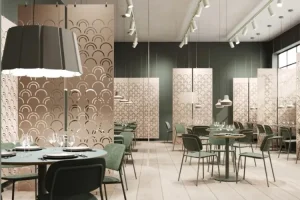
If you run a restaurant, design hospitality spaces, or source finishing materials for commercial projects, this guide will help you understand what really works. I will break down the causes of restaurant noise, the best ways to fix it, and how modern PET and panneaux acoustiques en bois can improve comfort without hurting style.
Why is restaurant noise such a big problem today?
What noise levels are too high in a restaurant?
How does the ceiling affect restaurant sound the most?
Can acoustic panels really reduce restaurant noise?
How do PET and wood acoustic panels support sound absorption and design?
Should you soundproof a restaurant or focus on sound absorption?
How do kitchen, bar, and front-of-house zones change the sound in your restaurant?
What materials help reduce noise besides acoustic ceiling systems?
Can restaurant sound affect sales, reviews, and table performance?
What is the best acoustic treatment plan for a restaurant renovation?
What should B2B buyers look for in acoustic material suppliers?
Modern restaurant designs often look beautiful, but they are not always built for comfort. Many spaces use concrete, glass, tile, metal, and other hard surfaces. These surfaces reflect sound instead of helping absorb sound. That is why noise can bounce around the room and quickly build into a tiring wall of sound.
This is even more common in trendy layouts with an open kitchen, exposed ceilings, and large shared dining rooms. These ideas create energy, but they also create more background noise, more kitchen noise, and more sound from people, plates, chairs, and HVAC systems. In many cases, the problem is not one loud source. It is the total amount of noise stacking up at once.
The result is simple: guests struggle to enjoy the dining experience, servers repeat themselves, and the level of sound starts to affect both comfort and revenue. A lively room is good. A noisy restaurant is not.
A busy restaurant will never be silent, and it should not be. The goal is not to remove all energy. The goal is to control noise levels so guests can enjoy conversation and staff can work without fatigue.
Here is a practical guide:
| Restaurant Condition | Typical Sound Levels | Guest Experience |
|---|---|---|
| Quiet fine dining | 50–60 dB | Calm and easy conversation |
| Comfortable casual dining | 60–70 dB | Lively but manageable |
| Busy restaurants and bars | 70–80 dB | Guests start speaking louder |
| Excessive noise zone | 80 dB+ | Guests talk without raising their voices becomes impossible |
When ambient noise levels stay too high, guests often say the same thing in restaurant reviews: “Good food and service, but too loud.” That one sentence can hurt repeat business. It can also reduce dwell quality, increase stress, and change the whole feel of your restaurant setting.
In many projects, the ceiling is the biggest missed opportunity. Restaurant owners often focus on furniture, lighting, and wall décor, but sound rises and spreads across the upper part of the room. If the ceiling is hard, flat, and untreated, it lets sound bounce back into the room again and again.
That is why ceiling treatments are often the most efficient first step. A well-designed acoustic ceiling, suspended baffles, ceiling clouds, or sound-absorbing decorative panels can reduce reverberation fast. In large dining rooms, the ceiling has a huge effect because it covers so much surface area.
I have seen many hospitality projects improve performance simply by upgrading the ceiling with the right acoustic material. It does not need to look industrial. Today’s ceiling systems can be warm, decorative, and brand-friendly while still delivering strong sound absorption and better sound control.
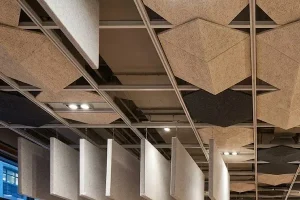
Yes. Acoustic panels are one of the most practical ways to reduce restaurant noise, especially when the space already has a lot of echo. Their job is not to block every sound like a heavy wall would. Their job is to absorb sound waves and reduce the sound from bouncing between surfaces.
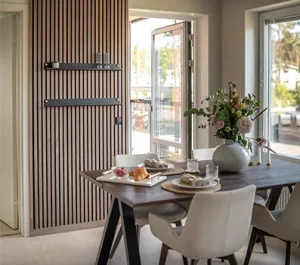
That makes a big difference in restaurant dining. When you install panneaux muraux, hanging panels, or acoustical panels on the ceiling, the room becomes easier to hear in. People still talk. Plates still move. The space still feels alive. But the harsh edge of the noise drops.
This is why sound-absorbing materials are so important in modern hospitality. Good acoustic panels are highly effective because they target the real issue: reverberation. In other words, they do not just deal with volume. They improve clarity. That is the foundation of better restaurant sound.
This is where many commercial buyers get excited. They want strong performance, but they also want the space to look premium. PET and wood solutions work well because they combine visual value with real sound absorption.
Panneaux PET are lightweight, durable, and flexible in color, cut pattern, and installation style. They work well for wall-mounted panels, suspended features, and decorative ceiling applications. Wood slat systems add warmth and texture, which is ideal for hospitality interiors that want a natural and upscale feel.
As a professional manufacturer in China, we work with global B2B clients who need both function and finish. Distributors, architects, contractors, and OEM brand owners often come to us because they need custom sizes, custom colors, and project-ready acoustic solutions. In restaurant designs, that matters. A panel must fit the concept, pass project review, and still help absorb noise effectively.
This is an important distinction. Many people say they want to soundproof a restaurant, but in real projects, what they often need most is acoustic treatment. Full soundproof construction is more complex and expensive because it aims to prevent sound from traveling between spaces.
Inside a dining area, the bigger issue is usually echo and internal noise build-up. That is where sound absorption wins. If your goal is to improve comfort in the front of the house, reduce complaints, and make conversations easier, then absorptive solutions usually bring the fastest return.
A smart strategy looks like this:
In short, you do not always need to fully soundproof the room. Often, you just need to manage how sound behaves inside it.
Different zones create different sound problems. The kitchen is often the strongest source of sharp, repeated noise. Fans, metal contact, staff communication, and equipment all add to kitchen noise. In an open kitchen concept, that energy flows straight into guest areas.
Meanwhile, the bar can add more sound with glassware, blender noise, crowd activity, and music. In open kitchens and bars, sound stacks quickly. If the layout is wide open, there is very little to stop it.
That is why zoning matters. A good plan may include adding acoustic barriers, localized ceiling absorbers, and material changes between service zones and guest zones. In many cases, the best results come from treating the ceiling over the kitchen, then the ceiling over the dining area, and finally the wall surfaces around the busiest conversation zones.
What materials help reduce noise besides acoustic ceiling systems?
The ceiling is the first place I would look, but it should not be the only one. A balanced room uses several small fixes together. Soft finishes can make a big difference, especially in smaller restaurant space layouts.
Useful materials include:
These materials help absorb sound, reduce flutter echo, and improve overall sound dampening. They also stop sound from continuing to bounce around the room. In restaurant projects, design and acoustics should support each other, not fight each other.
Absolutely. Noise is not just a comfort issue. It is a business issue. When the sound in your restaurant becomes tiring, guests may shorten their stay, order less comfortably, or avoid coming back.
There is also a brand effect. Poor acoustics often show up in restaurant reviews, even when the food is strong. Guests remember how a place felt. If music is too loud, if the room creates excessive noise, or if people cannot hear each other, that frustration becomes part of the story they share.
There is also an operational angle. Some operators think louder spaces create faster turnover. Sometimes music with a faster rhythm can shape pacing, and faster rhythm can encourage guests to eat more quickly. But there is a line. When sound becomes irritating, you risk irritating guests and potentially harming the brand while also potentially harming your staff through fatigue and daily stress. That is not great business.
The best plan starts with observation, not guesswork. Walk through the space when it is empty and again when it is full. Listen to where sound builds up. Look at the ceiling, wall area, seating layout, and service traffic. Ask where guests struggle most.
Then build a simple upgrade plan:
| Priority | Action | Pourquoi ça marche |
|---|---|---|
| 1 | Traiter les plafond | Largest surface, biggest effect on reverberation |
| 2 | Ajouter panneaux muraux | Stops reflected sidewall sound |
| 3 | Soften furniture and finishes | Reduces harsh reflections |
| 4 | Manage speakers and music volume | Prevents the venue from trying to fight noise with more noise |
| 5 | Adjust layout near open kitchens and bars | Limits direct noise spread |
For new-build or renovation projects, we usually recommend starting with a clear acoustic concept early in design. That gives architects and contractors more freedom to blend performance with aesthetics. For B2B buyers, this is also where customization matters. Panel size, color, finish, pattern, and mounting system all influence the final result.
accessoires pour panneaux acoustiques
If you are sourcing for distributors, hospitality groups, designers, or commercial contractors, price alone is not enough. You need reliability, customization, and production support.
Look for a supplier that can provide:
As a China-based manufacturer of PET and wood acoustic systems, we understand that commercial buyers are not just buying a panel. They are buying consistency, lead-time security, and a solution that fits the project brief. That is especially important in restaurants and bars, where appearance, code expectations, and user comfort all matter at the same time.
A mid-size dining project with an open kitchen and exposed concrete ceiling had a common problem: beautiful design, poor acoustics. Guests loved the interior but complained about the noise. The owner noticed that even at half capacity, the room felt louder than expected.
The fix was not extreme. The team added suspended ceiling clouds, wood slat wall features with acoustic backing, and selected soft finishes near the entrance and booth seating. The result was clear. Speech became easier. Staff reported less strain. Guests stayed comfortable longer.
The lesson is simple: you do not need to hide the design to improve acoustics. You just need the right acoustical strategy. The best restaurant spaces are not only stylish. They sound good too.
How can I reduce noise in a restaurant without changing the whole design?
Start with the ceiling, then add decorative wall solutions. Suspended absorbers, PET panels, and wood acoustic systems can improve the room without changing the brand look too much.
What is the fastest way to reduce restaurant noise?
The fastest route is usually overhead treatment. A treated ceiling can quickly reduce echo because it addresses the largest reflective surface in the room.
Are acoustic panels better than foam panels for restaurants?
In most visible guest areas, yes. Foam panels may help in hidden utility areas, but restaurant interiors usually need decorative products that combine performance with appearance.
Do open kitchens always make restaurants louder?
Not always, but they often increase direct and reflected sound. An open kitchen needs better acoustic planning so the energy feels exciting instead of exhausting.
Peut traitement acoustique improve restaurant reviews?
Yes. Better comfort often leads to better guest feedback. Many negative restaurant reviews mention noise even when the food and service are strong.
What is better for restaurants, PET or wood acoustic panels?
Both are useful. PET is flexible and modern. Wood adds warmth and visual depth. The best choice depends on the design style, performance target, and project budget.
Ceiling treatment is often the most effective first step in restaurant acoustics.
The goal is not silence. The goal is comfortable noise levels and better conversation.
Acoustic panels, wall systems, and soft finishes work together to improve sound absorption.
Open layouts, bare table surfaces, and exposed hard finishes often make sound problems worse.
Good acoustic design supports guest comfort, staff wellness, and stronger business performance.
For B2B projects, the right supplier should offer customization, stable quality, and project-ready support.

 French
  English
  German
  Italian
  Spanish
  Arabic
  Russian
  Dutch
Dutch