Paneles de madera natural de alta calidad Fabricantes y proveedores en China. Nosotros producto: Paneles acústicos de madera Paneles de PET
Evite que su consulta sea de respuesta tardía, por favor introduzca su WhatsApp/Skype junto con el mensaje, para que podamos ponernos en contacto con usted a la primera.
Le responderemos en un plazo de 24 horas. Si para el caso urgente, por favor agregue WhatsApp/WeChat: +86-13678899682 directamente.
Thin walls can steal your sleep, focus, and comfort. When a loud neighbour is keeping you up at night, even small sounds feel bigger. The good news is simple: smart soundproof choices can reduce noise and help you enjoy your home again.
To stop hearing noisy neighbors through your walls, first identify the type of noise, then seal air gaps, add mass, use acoustic panels, add soft furnishings, and treat shared walls. You may not completely soundproof a room without construction, but you can greatly reduce neighbour noise with practical soundproofing tips.
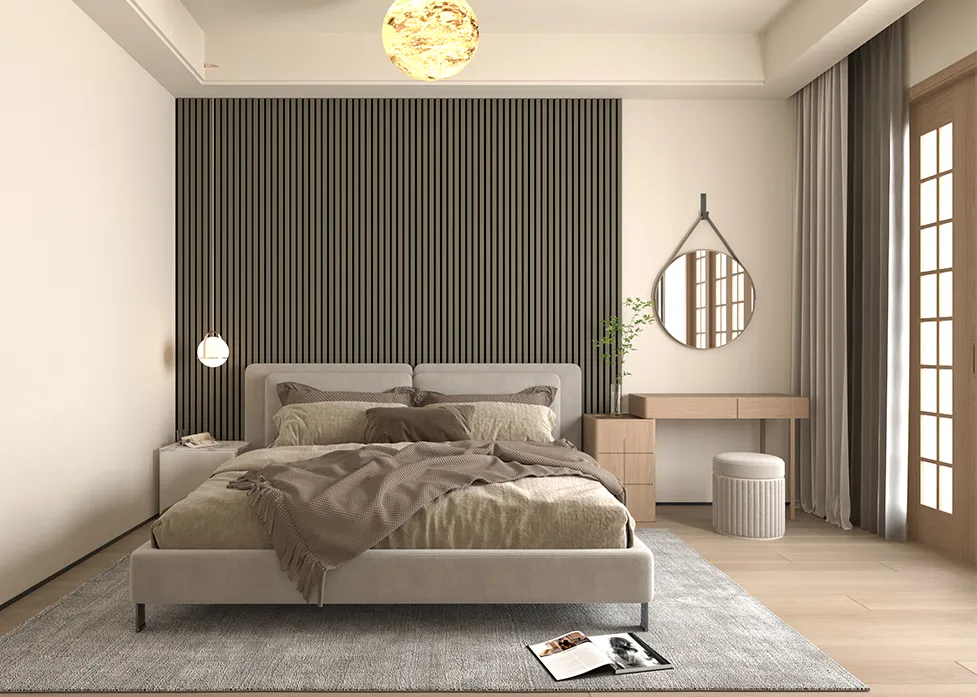
You can hear noise from neighbors because sound waves travel through air, walls, floors, ceilings, and small gaps. A shared wall, also called a party wall, can pass voices, TV sound, music, and footsteps from room to room. When walls are thin, the problem becomes more noticeable.
Noise travels in two main ways. First, airborne noise moves through the air. This includes talking, barking, television, and music. Second, impact noise moves through building parts. This includes footsteps from an upstairs neighbor, furniture moving, or objects dropping on the floor.
The amount of noise you hear depends on wall structure, insulation, sealing, floor type, and building quality. If there are gaps around sockets, doors, pipes, or windows, sound transfer becomes worse. So the best ways to stop neighbor noise often start with the hidden weak points, not the wall surface alone.
Before choosing a soundproof solution, you need to know the type of noise. This step saves money. It also prevents frustration. A product that helps dampen sound inside a room may not block sound from a loud neighbor next door.
Here is a simple guide:
| Type of Noise | Common Example | Best First Step |
|---|---|---|
| Ruido aéreo | Voices, TV, music | Seal gaps, add mass, treat shared wall |
| Ruido de impacto | Footsteps, chair dragging | Add floor treatment, rug, underlay, ceiling work |
| Outside noise | Street noise, traffic, dogs | Seal windows, use curtain systems, add acoustic layers |
| Echo inside room | Sound bounce around the room | Add acoustic panels, soft furnishings, wall hangings |
If you hear noise clearly, like words from a conversation, the issue may be weak sound insulation. If you hear thumps or vibration, the problem may be impact noise. If you hear echo inside your own living space, then sound dampening products can help.
Noise levels also matter. The U.S. EPA notes that noise pollution can affect sleep, stress, speech, and productivity. The World Health Organization also links excessive environmental noise with sleep disturbance and other health concerns. That is why a quiet home is not only a comfort issue. It is part of a healthier living space.
The best ways to soundproof a room from vecinos ruidosos are to seal gaps, add mass to the wall, add acoustic treatment, and use soft materials that reduce sound reflections. These steps work best when used together.
Start with sealing. Use acoustic sealant, weatherstripping, outlet putty pads, and door sweeps where needed. Even a small gap can let sound pass through. If air can move through it, sound can often move through it too. This is one of the most overlooked soundproofing tips.
Next, add weight and layers. Heavy materials help block sound. For stronger soundproofing walls, contractors may use extra drywall, resilient channels, acoustic mats, or wall insulation. For renters, removable acoustic panels, thick wall hangings, bookcases, and curtains can reduce noise without major construction.
| Budget Level | Practical Action | Expected Result |
|---|---|---|
| Bajo | Add rug, curtain, soft furnishings | Better echo control, mild noise reduction |
| Medio | Use acoustic panels and seal gaps | Better comfort and clearer sound control |
| Alta | Add wall mass and insulation | Stronger sound reduction |
| Project-level | Build a full acoustic wall system | Best long-term noise control |
You may not block sound entirely with simple DIY methods, but you can reduce external noise and make daily life much easier.
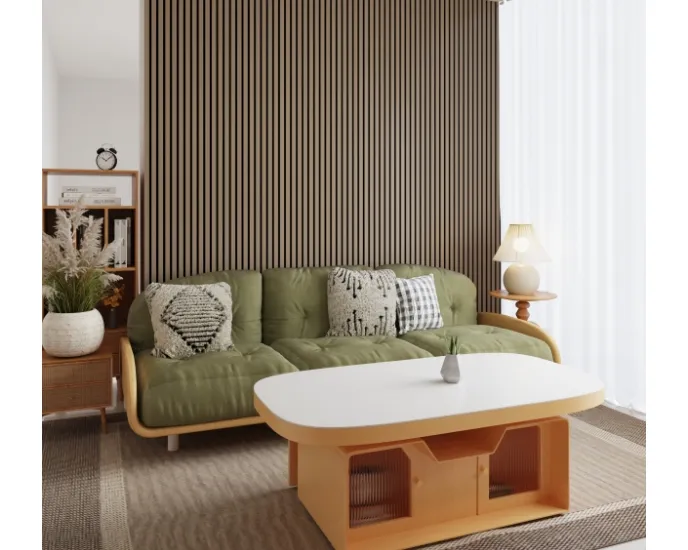
How to Soundproof Walls, Stop Hearing Noisy Neighbors, and Reduce Neighbour Noise
Yes, acoustic panels can help reduce noise in a room, but it is important to understand how they work. Acoustic panels are designed to absorb sound and reduce echo. They stop sound waves from bouncing around hard surfaces. This makes a room feel calmer, clearer, and more comfortable.
However, acoustic panels alone do not always stop sound transmission through a wall. If your neighbour noise is passing through thin walls, panels should be part of a larger plan. You may need sealing, mass, insulation, and acoustic treatment together.
As a professional manufacturer in China specializing in high-quality PET and wood acoustic panels, we often explain this to distributors, architects, designers, and contractors: acoustic comfort is a system, not a single product. PET acoustic panels are light, clean, decorative, and easy to install. Wood acoustic panels bring a warmer home design style while helping sound control in offices, hotels, schools, apartments, meeting rooms, and public projects.
For project buyers, explore our custom PET acoustic panel solutions and wood acoustic wall panel systems.
Curtains, rugs, and wall hangings can help, especially when the problem is echo or light noise. A thick curtain can reduce outside noise from windows. A large rug can soften footstep sound and reduce echo. Wall hangings can help dampen the noise on bare walls.
But these items are not magic. A rug will not completely soundproof a room from loud bass music. A curtain will not fully block a loud neighbour through concrete or drywall. Still, these soft furnishings can make a room feel more peaceful and reduce sound reflections.
Here are easy renter-friendly ideas:
These small changes can give you a little peace and quiet while you plan stronger noise solutions.
White noise does not soundproof your home. It masks unwanted noise. This means it adds a steady background sound that makes sudden neighbor noise less noticeable. A white noise machine can help you sleep, work, or relax when you cannot control the noise source.
White noise works well for light voices, distant traffic, and small sound changes. It may not work well for heavy bass, shouting, or strong impact sounds from noise from upstairs. Still, it is one of the fastest ways to stop sound from feeling so sharp in a quiet bedroom.
Use white noise carefully. Keep the volume comfortable. Place the machine between your bed and the noise source if possible. If you work from home, a soft background sound can help reduce distraction while acoustic treatment improves the room soundproof feeling.
Insulation can improve sound insulation when used inside walls, ceilings, and floors. Wall insulation helps reduce sound transfer by filling empty spaces where sound can move. It also helps reduce vibration inside cavities.
For new construction or renovation, contractors can add mineral wool, acoustic insulation, resilient channels, double drywall, or sound isolation systems. These methods are more effective than surface-only decoration. They are also better for commercial and public projects where performance matters.
If you are a contractor or project owner, the goal is to minimize noise transfer from the beginning. Retrofitting later usually costs more. That is why architects and interior designers should consider acoustic planning early in the home improvement or commercial design process.
For commercial spaces, see our project acoustic panel supply for contractors and architectural acoustic design support.
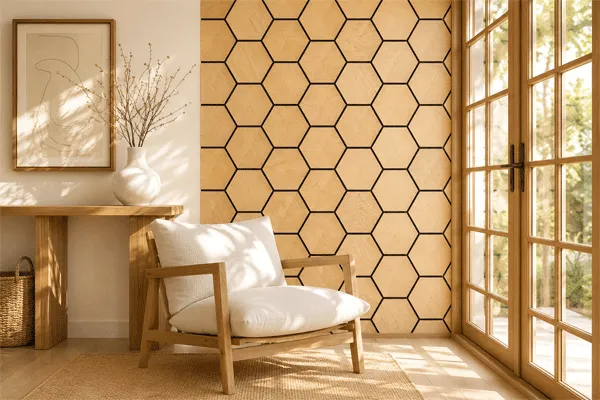
How to Soundproof Walls, Stop Hearing Noisy Neighbors, and Reduce Neighbour Noise
No, foam panels cannot completely soundproof a room. Foam is good for reducing echo and improving sound quality inside a room. It is not a strong barrier for blocking loud neighbor noise through a wall.
This is a common mistake in DIY soundproofing. People buy foam panels, place them on a wall, and expect silence. Then they feel disappointed. Foam panels can reduce sound reflections, but they do not add much mass. To block sound, you need mass, sealing, isolation, and sometimes insulation.
That said, foam still has a place. It can improve a podcast room, music room, gaming room, or meeting space. But for serious soundproofing solutions, PET acoustic panels, wood slat acoustic panels, dense barriers, and proper wall systems often provide better results for both function and appearance.
Good home design can reduce noise before it becomes a daily problem. Place quiet rooms away from noisy walls. Add closets, storage, or bookshelves along a shared wall. Use soft flooring in bedrooms. Choose acoustic ceiling and wall treatments for open living spaces.
En apartamentos, neighbor noise often comes through adjoining walls, windows, doors, and ceilings. You can improve comfort by combining several small steps. Move furniture. Add fabric. Seal gaps. Add panels. Use a rug. These changes create a more comfortable home without making it look like a studio.
For public and commercial buildings, acoustic planning matters even more. Offices, schools, hotels, restaurants, hospitals, and libraries all need balanced noise control. A beautiful space can fail if people cannot hear, rest, or work comfortably. That is why acoustic panels are now part of modern interior design, not just technical construction.
B2B buyers should choose acoustic panel solutions based on performance, design, customization, installation, fire rating needs, packaging, and stable supply. Distributors need products that sell well. Architects need design flexibility. Contractors need reliable delivery. OEM/ODM brand owners need private-label support.
As a China-based manufacturer, we provide customized PET and wood acoustic panels for global B2B clients. We support different sizes, colors, densities, patterns, edge designs, backing options, and packaging plans. This helps distributors and importers build a stronger product line for offices, homes, schools, studios, and commercial projects.
Before placing an order, ask your supplier:
A contractor needed acoustic panels for an open office project. The client wanted a modern look, better speech comfort, and faster installation. Standard decoration could not solve the sound problem because hard walls and glass made voices bounce around.
We recommended a mix of PET acoustic panels and wood acoustic wall panels. PET panels helped absorb sound across large wall areas. Wood panels added a warm design effect in meeting rooms and reception areas. The result was a quieter, more professional space with better visual appeal.
For brand buyers and importers, our OEM/ODM acoustic panel manufacturing service and bulk acoustic panel export supply can support private label, project supply, and long-term distribution.
Start by sealing gaps, adding mass to the shared wall, using acoustic panels, and placing soft furnishings in the room. If the wall is very thin, professional soundproof construction may be needed.
Acoustic panels mainly absorb sound inside your room. They reduce echo and improve comfort. They can help with noise reduction, but they may not fully block sound from noisy neighbors unless combined with sealing, mass, and insulation.
The cheapest ways to stop hearing light noise are adding a rug, thick curtain, wall hangings, bookcases, and a white noise machine. These methods are simple and renter-friendly.
You can create a soundproof improvement, but it is hard to make a room completely soundproof without major construction. To block sound entirely, you need strong wall, ceiling, floor, door, and window treatment.
For noise from upstairs, use rugs, thick underlay, ceiling treatment, or ask the upstairs neighbor to add floor coverings. In serious cases, contractors may install a suspended ceiling or sound isolation system directly to the ceiling structure.
Yes. PET acoustic panels are popular because they are lightweight, decorative, customizable, and useful for sound dampening. They work well in homes, offices, classrooms, hotels, studios, and commercial interiors.

 Spanish
  English
  French
  German
  Italian
  Arabic
  Russian
  Dutch
Dutch