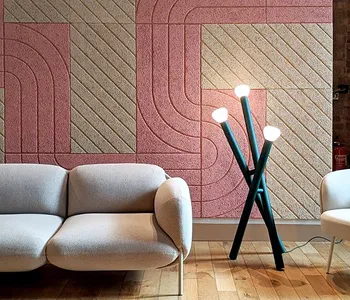
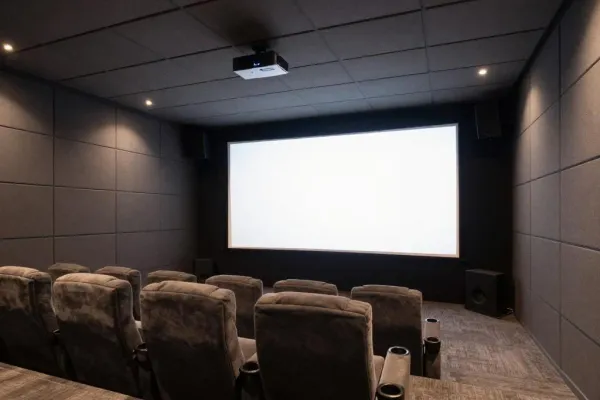
Paneles de madera natural de alta calidad Fabricantes y proveedores en China. Nosotros producto: Paneles acústicos de madera Paneles de PET
Evite que su consulta sea de respuesta tardía, por favor introduzca su WhatsApp/Skype junto con el mensaje, para que podamos ponernos en contacto con usted a la primera.
Le responderemos en un plazo de 24 horas. Si para el caso urgente, por favor agregue WhatsApp/WeChat: +86-13678899682 directamente.
Las habitaciones ruidosas arruinan la concentración, el confort y la intención del diseño. El eco se acumula, las voces se desdibujan y aparecen las quejas. La solución es elegir el material de techo acústico adecuado, que equilibre la absorción acústica, la estética, la seguridad y el presupuesto.
El mejor material acústico para un techo depende del objetivo: controlar el eco o bloquear el ruido. Para la mayoría de los espacios comerciales y públicos, las bandejas acústicas para techos fabricadas con poliéster PET, fibra de vidrio o fibra mineral ofrecen una excelente absorción acústica (alto NRC), fácil instalación y flexibilidad de diseño. Cuando se requiere el bloqueo del sonido, las bandejas acústicas deben combinarse con sistemas de insonorización de techos.
Absorción acústica ≠ insonorización: los techos absorben principalmente el sonido, no lo bloquean
Los paneles acústicos de poliéster PET ofrecen durabilidad, sostenibilidad y libertad de diseño
La clasificación NRC es más importante que el grosor
Los sistemas de falsos techos simplifican la instalación y el mantenimiento
Los mejores resultados se obtienen adaptando el material a las necesidades acústicas y al tipo de espacio.
Las opciones OEM/ODM reducen los costes y garantizan la coherencia del proyecto
Como fabricante profesional en China especializado en paneles acústicos de PET y maderaTrabajamos a diario con distribuidores, arquitectos y contratistas para resolver problemas reales de acústica de techos. Esta guía comparte lo que realmente funciona basándose en proyectos, datos de pruebas y uso a largo plazo.

Cómo elegir los paneles acústicos adecuados
¿Por qué importa tanto el techo en la acústica de una sala?
Acústico vs insonorizado: ¿cuál es la verdadera diferencia?
¿Qué hace que un techo acústico sea eficaz?
¿Cómo define NRC el rendimiento acústico?
¿Qué materiales acústicos son los mejores para los techos?
¿Son los paneles acústicos de poliéster PET mejores que los de fibra de vidrio?
¿Cómo reducen el eco los sistemas de techo en espacios comerciales?
¿Qué soluciones de techo se adaptan a salas de conferencias, estudios y oficinas?
¿Es mejor un falso techo o un techo visto desde el punto de vista acústico?
¿Cómo elegir la placa de techo acústico adecuada para su proyecto?
El techo suele ser la mayor superficie ininterrumpida de una habitación. Si no se trata, refleja las ondas sonoras hacia abajo, aumentando la reverberación y elevando el nivel general de ruido. Por eso, una acústica deficiente en el techo provoca rápidamente eco, fatiga del habla e incomodidad.
Según mi experiencia de trabajo en oficinas, escuelas y edificios públicos, la sola mejora de la acústica del techo puede reducir el ruido percibido entre un 30 y un 50%. Por eso los techos desempeñan un papel fundamental en cualquier estrategia seria de tratamiento acústico.
Este es uno de los malentendidos más comunes. Los materiales acústicos están diseñados para absorber el sonido, mejorando la calidad del sonido dentro de una habitación. Los materiales insonorizantes pretenden bloquear el sonido, impidiendo que pase entre espacios.
La mayoría de las placas de techo se centran en la absorción acústica, no en el aislamiento acústico. El verdadero aislamiento acústico del techo requiere capas adicionales como paneles de yeso, barreras de carga masiva y sistemas elásticos. Conocer esta distinción evita expectativas poco realistas.
Una bandeja de techo acústica eficaz está diseñada para interrumpir y absorber las ondas sonoras en lugar de reflejarlas. Los factores clave son la porosidad, la estructura de las fibras y los espacios de aire por encima de la bandeja.
Las modernas baldosas acústicas están diseñadas para absorber el ruido de frecuencias medias y altas, lo que ayuda a reducir el eco y mejorar la claridad del habla. En espacios comerciales como oficinas y aulas, esto mejora directamente la productividad y el confort.
El NRC (coeficiente de reducción de ruido) mide la cantidad de sonido que absorbe un material. Los valores oscilan entre 0,0 y 1,0. Una baldosa con un NRC de 0,85 absorbe 85% de la energía acústica entrante.
Para la mayoría de los techos:
NRC 0,60-0,70: control básico del ruido
NRC 0,75-0,85: control acústico profesional
NRC 0,90+: espacios donde se requiere la máxima absorción acústica
Elegir por nrc es más fiable que elegir sólo por grosor o peso.
Varios materiales insonorizantes y productos acústicos se utilizan habitualmente en aplicaciones de techos:
| Material | Resistencia acústica | Notas clave |
| Poliéster PET | Alta | Duradero, respetuoso con el medio ambiente |
| Fibra de vidrio | Muy alta | Excelente absorción, frágil |
| Fibra mineral | Medio-alto | Rentable |
| Paneles acústicos de madera | Medio | Estética + absorción |
Entre ellos, los paneles acústicos de poliéster son cada vez más populares para proyectos que requieren seguridad, sostenibilidad y durabilidad a largo plazo.
Desde el punto de vista de la fabricación y el proyecto, los paneles de PET ofrecen varias ventajas. Proporcionan una excelente absorción acústica, resisten la humedad y no desprenden fibras, por lo que son más seguros para escuelas y edificios sanitarios.
La fibra de vidrio sigue ofreciendo un gran rendimiento acústico, pero los paneles de PET son más fáciles de cortar, instalar y personalizar. Por eso, muchos arquitectos especifican ahora el PET para sistemas de techos acústicos en espacios muy transitados.
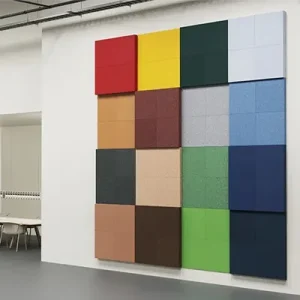
Paneles acústicos de poliéster PET
En los espacios comerciales, la reverberación incontrolada aumenta el sonido de fondo y reduce la claridad del discurso. Instalar materiales insonorizantes en el techo que absorban las reflexiones mejora drásticamente la comunicación.
Hemos observado mejoras apreciables en:
Oficinas diáfanas
Aeropuertos y centros de tránsito
Instalaciones educativas
Interiores de comercios y hostelería
Un techo acústico bien diseñado ayuda a mantener bajos los niveles de ruido y a evitar molestias en los espacios adyacentes.
Espacios diferentes requieren soluciones diferentes:
Sala de conferencias: techos altos de NRC para mayor claridad de voz
Estudios de grabación: paneles acústicos combinados con aislamiento acústico
Cine en casa / estudio en casa: sistemas de control de sonido por capas
Oficinas comunes: techo de rejilla con placas acústicas
Coincidencia necesidades acústicas de cada espacio garantiza resultados coherentes sin gastar de más.
Un falso techo ofrece un plenum oculto que aumenta la absorción y facilita el mantenimiento. Es la opción más común para oficinas y edificios públicos.
Los techos vistos pueden funcionar acústicamente, pero sólo si se combinan con paneles acústicos suspendidos o deflectores. De lo contrario, el sonido se refleja en las superficies duras y aumenta la reverberación.
Para elegir la solución adecuada, tenga en cuenta:
Objetivo NRC y función de sala
Altura del techo y compatibilidad con la rejilla
Clasificación contra incendios y normas de seguridad
Durabilidad y mantenimiento a largo plazo
Integración del diseño
Según nuestra experiencia en OEM/ODM, una coordinación temprana entre el arquitecto, el contratista y el proveedor acústico ahorra tiempo y evita costosas repeticiones.
¿Es lo mismo un techo acústico que un aislamiento acústico?
No. Las baldosas acústicas absorben el sonido dentro de una habitación, pero no bloquean la transmisión del sonido por sí solas.
¿Qué calificación NRC es buena para las oficinas?
Un NRC de 0,75-0,85 funciona bien en la mayoría de los entornos de oficina.
¿Son ecológicos los paneles acústicos de PET?
Sí, suelen estar fabricados con poliéster reciclado y son totalmente reciclables.
¿Pueden las placas acústicas de techo mejorar la claridad del habla?
Absolutamente. Al reducir la reverberación, mejoran significativamente la inteligibilidad de la voz.
¿Funcionan los techos acústicos en grandes edificios públicos?
Sí. Se utilizan mucho en aeropuertos, escuelas y espacios polivalentes.
El mejor material para techos acústicos depende de la absorción, no sólo del grosor
Las placas acústicas para techos mejoran la calidad del sonido, no el aislamiento acústico
Las clasificaciones NRC son fundamentales a la hora de comparar materiales
Los paneles de poliéster PET equilibran rendimiento, seguridad y sostenibilidad
Una especificación temprana garantiza mejores resultados y control de costes
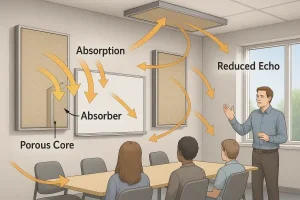
Aspectos básicos de la absorción acústica
Si está evaluando la acústica de techos para un proyecto, le recomiendo que empiece con un resumen de prestaciones, no con una lista de productos. Comparta su tipo de espacio, sus preocupaciones sobre el ruido y sus objetivos de diseño, y le ayudaremos a definir la mejor solución de techo acústico con datos probados y un soporte de fabricación fiable.

 Spanish
  English
  French
  German
  Italian
  Arabic
  Russian
  Dutch
Dutch