Hochwertige Naturholzpaneele Hersteller und Lieferanten in China. Wir produzieren: Holz-Akustik-Paneele PET-Paneele
Vermeiden Sie, dass Ihre Anfrage verspätet beantwortet wird, geben Sie bitte Ihre WhatsApp/Skype-Nachricht mit an, damit wir Sie sofort kontaktieren können.
Wir werden Ihnen innerhalb von 24 Stunden antworten. Wenn für dringenden Fall, fügen Sie bitte WhatsApp/WeChat: +86-13678899682 direkt.
Small items can turn a neat room into a daily search. Poorly sized containers add clutter instead of fixing it. Choose storage that fits both your space and your items. This guide helps you compare materials, layouts, and custom options before buying for your home, brand, or project.
Wählen Sie felt storage boxes by checking usable dimensions, material, compartment layout, and intended use. Small modular organizers suit desks and drawers; deeper baskets suit bulkier items. Confirm lids, handles, folding features, and shelf fit separately. For wholesale orders, approve a sample and written specification covering color, construction, packaging, and quantity before production.
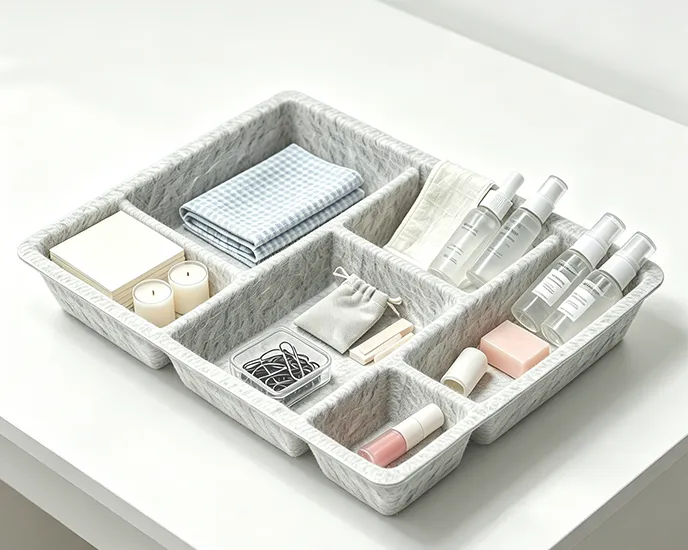
A good container gives each item a clear place. That matters when your drawer holds keys, chargers, pens, and small accessories together. Soft felt adds a pleasant touch, while separate sections help prevent items from mixing. The best layout follows what you actually store. A deep open container can suit bulky objects; a shallow divided design makes small pieces easier to see and reach. Neither shape suits every task.
At Beien, we manufacture PET and Holz-Akustikplatten in China and offer PET felt organization products alongside that range. Our modular PET felt storage collection includes five designs with different sizes and layouts. These products extend our material offering into practical organization. Their purpose here is to hold and sort items. A box made from PET felt should not inherit the acoustic ratings of a wall panel.
For distributors, interior designers, contractors, and brand owners, the buying question goes beyond appearance. Will the product fit the planned drawer? Can staff remove the inner sections? Does the packaging describe the right contents? A useful storage solution answers those questions clearly. We recommend starting with an item list and location measurements. That gives your supplier a concrete brief and helps you build a collection with meaningful differences between models.
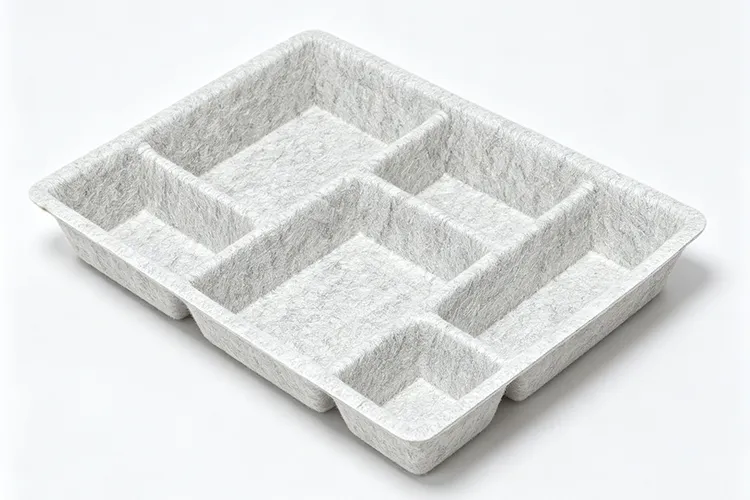
The word “felt” describes a material form, not one fixed composition. PET-Filz uses polyester fibers, while wool felt uses wool fibers. Beien’s listed organization models use PET felt. Do not label them wool products without a different confirmed specification. Likewise, felt is not automatically a woven material. When comparing fabric storage options, ask for the fiber composition, thickness, construction, and care instructions rather than relying on a broad product name.
Other materials offer different looks and structures. A rope basket may use cotton rope, while wicker and other handwoven designs create a more textured appearance. Plastic storage bins can provide rigid walls, although fit, load, and cleaning requirements still vary by model. A woven storage box and a felt basket can serve similar household tasks, but their seams, surfaces, and maintenance needs differ. Compare samples using the same intended contents and location.
Environmental wording also needs detail. A product described as made from recycled material should have a supported recycled-content statement. PET composition alone does not establish that percentage. The FTC’s environmental-claims guidance advises businesses to support specific claims and qualify them where needed. For a retail range, request evidence tied to the supplied product. Avoid borrowing material claims from another factory item or promising that every local recycling program accepts the finished article.
| Material direction | What to compare | Best buying question |
| PET-Filz | Thickness, shape retention, surface, and joints | Does the sample hold the intended contents? |
| Wool-based felt | Confirmed fiber composition and care | What cleaning method does the supplier approve? |
| Rope or woven construction | Weave, handles, base, and edge finish | Does the texture and structure suit the application? |
| Rigid plastic | Wall strength, fit, and closure design | Are load and cleaning requirements documented? |
An organizer bin with removable inserts lets you sort items by shape and frequency of use. Long sections can hold pens or cables; shorter sections can separate smaller accessories. Round cups offer another option for upright items. Check whether you can remove each insert without disturbing its neighbors. Also confirm the exact packing arrangement. A component list does not always mean every insert fits inside the outer container at the same time.
Our Model A modular set with round containers lists one outer unit, two long inserts, two short inserts, and three round containers. The outer dimensions are 275 × 200 × 100 mm. The long inserts measure 270 × 97.5 × 97.5 mm; the short inserts measure 132.5 × 95 × 95 mm. The round containers have listed dimensions of 85 × 85 × 95 mm. Confirm the available layout and packing plan when ordering.
For drawer organization, the Model B shallow compartment design has a 275 × 200 × 55 mm outer unit with two long and two short inserts. Its lower profile gives buyers another option where drawer clearance is limited. A bins set should list both quantities and dimensions. Retail labels such as “set of 3” or “3 sizes” need to match the delivered contents, rather than simply sounding convenient on the package.
Small-item organization works best when users can see the contents quickly. Deep containers can hide a cable under other objects, while wide undivided space can let jewelry and stationery mix. A box organizer with well-chosen sections reduces that problem. Check the internal dimensions with the actual objects, including plugs, cases, or protective covers. A product that looks spacious in a photograph may still be too narrow for your longest item.
Die Model C square three-compartment design lists an outer size of 255 × 255 × 100 mm. It combines one long insert with two shorter square inserts. For a geometric display, our Model D triangular organizer offers a different direction. Its page lists an outer size of 185 × 185 × 50 mm and two triangular inner units. Ask for a dimensioned drawing to understand how the triangular shape is measured.
Die Model E rectangular multi-compartment tray measures 400 × 300 × 50 mm. It suits a brief focused on small accessories, cosmetics, or office supplies. Its larger plan area does not make it a deep bulk container. For buyers researching rectangle felt designs, distinguish surface area from depth. Compare the models below before deciding which layout belongs in your range.
| Modell | Listed outer dimensions, mm | Main structure | Planning focus |
| A | 275 × 200 × 100 | Mixed inserts and round containers | Confirm the component arrangement |
| B | 275 × 200 × 55 | Shallow removable compartments | Check drawer opening clearance |
| C | 255 × 255 × 100 | Square outer unit with three sections | Match sections to small items |
| D | 185 × 185 × 50 | Triangular geometric design | Verify dimensions on a drawing |
| E | 400 × 300 × 50 | Rectangular divided layout | Check usable section dimensions |
Measure the clear opening, depth, and height of the intended location. Then allow enough room to reach and remove the container. A basket for shelves must fit more than the front opening: door hinges, shelf supports, and rear cables can reduce useful space. Record these details when fitting storage shelves or cubbies. For an existing cabinet, test a sample in the real location before ordering matching units for every room.
Closet planning also needs a clear use. A clothes basket for folded garments needs different space from a small storage organizer for belts and accessories. The currently listed Beien designs mainly address smaller items. For clothes storage, specify the garment type and the amount you expect to hold. A low storage profile can help in a shallow drawer, but it may not meet the needs of a large family wardrobe.
A storage cube is not the same as a box with a square base. Model C, for example, has equal listed width and depth but a different height. Do not assume it fits a standard cube shelving system. For felt underbed storage, measure the bed clearance and removal path, then discuss the required custom design. A shelf basket, stair-shaped container, and underbed unit each need their own confirmed dimensions and construction.
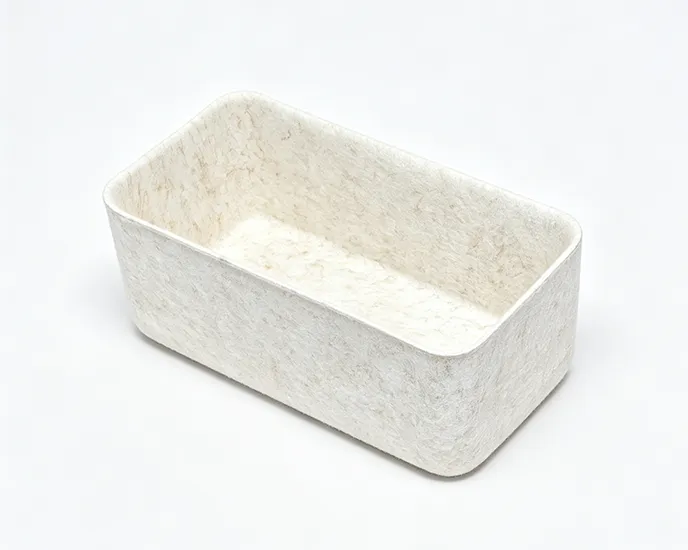
A storage bin with lid can help keep contents covered, but the closure must suit how users reach those contents. A removable cover, hinge, or fastening creates different access needs. Confirm whether a bin with lid can carry anything on top; a cover alone does not make a product stackable. Beien’s current A–E component lists do not specify covers. Treat a lidded version as a design request requiring confirmation.
A storage basket with handles can be useful when users carry items between rooms. However, an organizer with handle needs a secure attachment and an agreed carrying load. Metal handles and leather handles affect appearance, comfort, and construction in different ways. They are not confirmed standard features of the listed models. If you want a basket with handles, specify the loaded weight, grip size, and carrying frequency, then approve the attachment design on a sample.
A foldable felt design can reduce empty shipping space if its construction supports repeated folding. Removable inserts alone do not establish that feature. Search results for a foldable felt fabric storage basket or fabric collapsible container should prompt questions about joints, assembly, and shape recovery. Request folded and assembled dimensions. Also agree on packaging and a practical folding check before placing a bulk order for a new design.
We work with buyers seeking customized PET products, including changes to size, color, internal layout, branding, and packaging. For acoustic-panel distributors and commercial project buyers, these organization products can form an additional interior-accessory offering. Home organization brands may focus on a standalone collection. Define the customer and location first. That keeps your product brief focused and avoids adding features that increase cost without helping the intended user.
Consider an illustrative purchasing scenario, rather than a reported customer case. A brand wants one collection for desk drawers, dressing tables, and office accessory storage. It could choose a shallow modular unit, a square compartment design, and a wider divided format, all in an approved color family. Each item then has a clear purpose. The brand can compare samples for finish and labeling without pretending the same size meets every storage need.
A versatile storage range still needs precise specifications. Ask your supplier to confirm material thickness, usable dimensions, layout, logo position, tolerances, and packing contents. A felt fabric storage basket organizer may sound like a complete retail description, but the purchase document needs more detail. We prefer a clear drawing and agreed sample. These help brand owners explain the product accurately and make repeat orders easier to compare.
Begin with sample fit and construction. Check edges, corners, joints, surface finish, and the ease of removing inserts. Ask whether the intended load changes the shape over time and how the supplier recommends cleaning the product. A storage container that feels right when empty may behave differently when filled. For a retail project, write down the agreed checks so production approval follows the same criteria as sample approval.
Then review the commercial scope. Confirm quantity per model, custom colors, packaging, labeling, carton sizes, shipping terms, and production timing in the offer. The website includes different MOQ wording and reused panel-related content, so project-specific confirmation matters. Do not assume a general acoustic-panel certificate covers these finished containers. Where a claim or destination requirement needs evidence, request documents identifying the relevant material or product configuration.
To discuss your collection with Beien, send the target market, intended contents, location measurements, preferred model, color reference, and estimated order quantity. Add drawings for covers, folding structures, or special carrying features. We can discuss the available designs and proposed customization scope. This gives your team a focused route from product research to sample review and a written quotation for your home organizing or commercial accessory project.
A useful enquiry includes:
No. The listed Beien models use PET felt. A wool-based product needs a separate confirmed material specification. Ask for composition and care instructions so your product page and packaging accurately describe what customers receive.
Discuss the required cover as a custom design request. The current A–E listings do not confirm that feature as standard. Specify closure type, access needs, and any stacking requirement before approving drawings and a sample.
The listed dimensions mainly suit small-item organization. Large toys, blankets, and laundry may need deeper, wider, and stronger construction. Send the intended contents and load so the supplier can assess a suitable proposed design.
The product pages describe customization options for size, color, layout, logos, and packaging. Agree on the scope for your selected model. Approve color references, a sample, and packaging artwork before confirming bulk production.
Do not assume machine washing is suitable. The listed material name does not establish a cleaning method for the complete product. Request care instructions covering the felt, joints, inserts, and any added components before publishing cleaning advice.

 German
  English
  French
  Italian
  Spanish
  Arabic
  Russian
  Dutch
Dutch