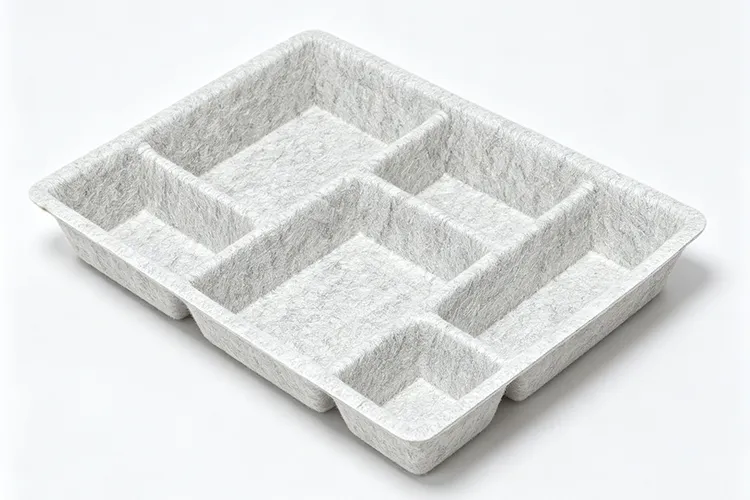
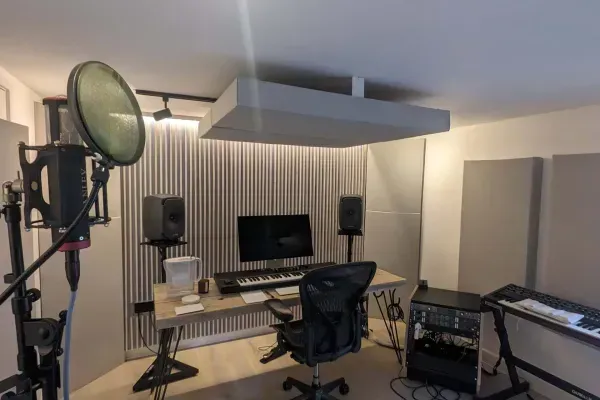
Высококачественные панели из натурального дерева производители и поставщики в Китае. Мы продукт: Дерево акустические панели ПЭТ панели
Чтобы избежать задержки ответа на ваш запрос, пожалуйста, введите ваш WhatsApp/Skype вместе с сообщением, чтобы мы могли связаться с вами в первый же раз.
Мы ответим вам в течение 24 часов. Если для срочного случая, пожалуйста, добавьте WhatsApp/WeChat: +86-13678899682 непосредственно.
Bad sound can ruin a space. Echo makes speech hard to hear. Noise from outside breaks focus. Many buyers use the wrong product and still get poor results. The fix starts with knowing what each solution really does.
The difference between soundproofing and an acoustic panel is simple: soundproofing helps block sound and reduce sound transmission between spaces, while acoustic panels are designed to absorb reflections and improve sound quality inside a room. One controls noise transfer. The other improves the listening experience.
What’s the difference between soundproofing and acoustic panels?
What does soundproofing actually do?
What does an acoustic panel do inside a room?
Why do people confuse acoustic panels vs soundproofing?
Can acoustic panels block sound?
When should you choose soundproofing instead of acoustic treatment?
When are acoustic panels the better choice?
Can you combine acoustic panels and soundproofing?
What materials are commonly used in each system?
How do you choose the right solution for commercial projects, offices, studios, and interiors?
The main issue is function. Soundproofing is the process used to reduce or stop sound from traveling from one room to another. It aims to prevent sound from entering or leaving a space. That means it focuses on sound isolation, insulation, sealing gaps, and adding mass or a sound barrier.
An acoustic panel, by contrast, is used to control the way sound behaves within a space by absorbing reflections. It does not usually block sound transmission through a wall. Instead, it helps reduce echo, soften harsh reflections, and improve speech, music, and overall sound clarity.
This is why understanding the difference matters. If you want to soundproof a room, panels alone will not solve the problem. If you want to improve the listening experience inside a conference room, office, or home theater, then an acoustic panel may be exactly the right answer.
To soundproof a room means trying to stop sound or reduce how much sound passes through walls, floors, doors, ceilings, and gaps. Good soundproofing focuses on sound from entering or leaving the space. It is about separation between zones.
Typical soundproofing methods include:
adding dense wall layers
using special soundproofing material
sealing air gaps
improving door and window seals
adding insulation inside partitions
using decoupling systems to reduce vibration
These methods work because they help reduce sound transmission and limit sound leakage. A soundproof system is built to prevent sound movement, not just make a room feel quieter. In many commercial settings, the goal is to isolate sound between offices, meeting rooms, hospitality spaces, schools, or entertainment areas.
If a buyer says they want to sound proof a meeting room from corridor noise, they are asking for true sound isolation. That is very different from improving echo inside the room.
. акустическая панель is part of acoustic treatment, not sound blocking. Panels are designed to absorb sound waves that bounce off hard surfaces. This helps control echo and reverb, and it can greatly improve the sound quality inside a room.
Most panel systems work by turning part of the sound energy into tiny amounts of heat through friction inside fibrous or porous materials. That is why acoustic panels are often made from PET fiber, polyester felt, MDF slats, or material like wood veneer and backer felt. In some markets, people also compare them with acoustic foam, though foam and decorative panels serve different design and durability needs.
| Функция | Звукоизоляция | Acoustic Panel |
|---|---|---|
| Reduce noise transfer between rooms | Yes | Limited |
| Поглощать reflections inside a room | Limited | Yes |
| Improve качество звука | Indirectly | Yes |
| Reduce echo and reverberation | Not the main purpose | Yes |
| Help блокировать звук from entering | Yes, if properly built | No, not by itself |
This is why an acoustic panel is ideal when the goal is to improve meetings, calls, music playback, or speech intelligibility. It helps manage sound within the room, not stop all outside noise.
Many people see wall panels and assume they must be there to block sound. That is where confusion starts. In practice, acoustic panels vs soundproofing is one of the most misunderstood topics in interior acoustics.
A panel can make a room feel quieter because it reduces echo. But that does not mean it will block sound waves passing through the wall. This is the real difference between soundproofing and acoustic treatment. One manages sound reflection. The other manages sound transfer.
Another reason for confusion is marketing language. Terms like soundproof panels, звукопоглощающие панели, and decorative wall systems are often mixed together online. Some products do help with room acoustics. Some help with isolation. A few do both to a limited degree. But buyers need to know the key differences before making a decision.
In our experience as a professional manufacturer in China specializing in PET and деревянные акустические панели, many B2B buyers first ask for “soundproof panels” when they actually want better speech clarity, lower echo, and a better-looking space. Once we explain the function, the right product choice becomes much easier.
Usually, no. Acoustic panels absorb reflected sound. They are designed to absorb sound waves, not fully designed to block sound transmission through a structural wall. This is a critical part of understanding the difference between soundproofing and panel treatment.
That said, panels can still make a noticeable difference. They can reduce harsh reflections and improve comfort. They can help keep conversations clearer. They can make open offices, classrooms, hotels, restaurants, and studios sound far better. But they do not replace full wall build-ups, dense barriers, or sealing systems meant to prevent sound from entering.
A simple way to remember it is this:
soundproofing = stop or reduce sound transfer
acoustic panels = improve sound quality inside the room
So if the problem is sound from entering or exiting a room, acoustic panels alone are not enough. If the problem is echo, speech fatigue, or poor sound in a space, panels are often the best solution.

Choose soundproofing when the real problem is noise coming in or going out. This includes hotel walls, private offices, music rooms, machine rooms, apartments, schools, and healthcare spaces where privacy or noise control matters.
You may need soundproofing if you want to:
block sound transmission through walls
reduce sound from traveling between units
keep sound private in offices or meeting rooms
reduce noisy equipment impact
improve privacy for hospitality or medical spaces
This is where soundproofing and acoustic panels are not the same. If your client wants to prevent sound from entering a boardroom from a hallway, adding a decorative panel alone will not solve the issue. The project may need mass-loaded layers, door sealing, upgraded partition design, and better structural detailing.
So when the project brief is about sound isolation, privacy, or strong noise control, soundproofing comes first.
Choose an acoustic panel when the room already exists and the main issue is echo, harshness, or poor listening comfort. This is very common in offices, retail stores, classrooms, lobbies, restaurants, showrooms, and residential interiors.
Acoustic panels are especially useful when you want to:
improve speech clarity
improve meetings and calls
reduce echo on hard surfaces
improve the quality of sound
create a more comfortable acoustic environment
add decorative value to walls or ceilings
This is why acoustic panels are ideal for architects, designers, contractors, and brand owners who need both acoustic function and interior style. Acoustic panels focus on improving how a room sounds and feels, while also supporting modern design.
Our PET and wood systems are developed for global B2B customers who care about appearance, performance, customization, and practical installation. For many commercial interiors, acoustic panels can make a strong visual statement while helping improve the sound quality at the same time.
Yes, and in many projects you should. Acoustic panels and soundproofing solve different problems, so using both together often creates the best result. A room can have excellent sound isolation and still sound bad inside if it has too much echo. The reverse is also true.
A full solution may include:
soundproof wall or ceiling build-ups
sealed doors and gaps
insulation layers
decorative acoustic panels on visible surfaces
ceiling or wall treatment for reverb control
This is where acoustic treatment and soundproofing work together. One keeps unwanted noise from passing through. The other improves sound quality within the room. In high-end interiors, offices, educational spaces, hospitality projects, and premium residential designs, this combination often gives the best user experience.
That is also why acoustic panels and soundproof curtains are sometimes used together. Curtains can help soften reflections and cover glass, while panels help handle broader reflection issues across the room.
The material choice depends on the goal. For soundproofing, common systems use dense, layered, or sealed construction methods. For acoustic treatment, the goal is porosity, fiber structure, or surface pattern that helps absorb reflections.
Common soundproofing materials
dense gypsum systems
mineral wool or other insulation
sound membranes
sealants and gaskets
decoupling clips or resilient channels
Common acoustic panel materials
MDF slat panels
wood veneer surfaces
polyester felt backing
acoustic foam in some cases
other materials like foam or fabric systems depending on the design
A useful point here is that acoustic panels are typically lighter, more decorative, and easier to install in finished interiors. Soundproofing systems are often hidden inside the structure. That is another one of the biggest differences between acoustic panels and full isolation systems.
Because panels are made for visible placement, they must deliver both acoustic performance and aesthetic value. That is why wood slat and PET-based decorative systems are now widely specified in modern interiors.
To choose the right solution, start with the real problem. Ask one clear question: is the issue noise transfer, or poor sound inside the room? That single step often saves time, budget, and design revisions.
Use this quick guide:
| Project Need | Better Choice |
|---|---|
| Reduce noise between rooms | Звукоизоляция |
| Improve echo in one room | Акустическая панель |
| Better speech in office meeting rooms | Акустическая панель |
| More privacy in medical or hotel rooms | Звукоизоляция |
| Better sound in a studio or домашний кинотеатр | Usually both |
| Decorative acoustic upgrade for public interiors | Акустическая панель |
For architects and interior designers, panel selection also depends on style, color, fire requirements, surface finish, and installation method. For contractors and distributors, supply stability, OEM/ODM support, dimensions, and packaging also matter. For brand owners, a solution must be easy to specify, easy to install, and aligned with the target market.
As a China-based manufacturer focused on high-quality PET and wood solutions, we support B2B customers who want functional, customizable, and visually strong products. For many commercial interiors, opt for acoustic panels when the goal is reverb control, cleaner design, and better daily comfort. When privacy and isolation are the main issue, combine panels with real soundproof construction.

There are several common myths about acoustic panels, and these myths often lead to the wrong buying decision.
Myth 1: Acoustic panels are the same as soundproofing
They are not. Soundproofing vs acoustic treatment is about different goals. Panels help with reflections. Soundproofing helps reduce transfer.
Myth 2: Acoustic panels can fully block outside noise
Most cannot. Panels absorb sound inside the room. They do not fully block sound from entering through walls, doors, or windows.
Myth 3: Any foam product is enough
Not always. Acoustic foam can help in some cases, but decorative PET or wood slat systems may offer better appearance, broader application, easier cleaning, and stronger B2B value.
Myth 4: Panels only work in studios
False. Acoustic panels are built for offices, schools, showrooms, restaurants, hospitality spaces, and residential interiors too.
Myth 5: Installation is always complex
In fact, panels are easy to install in many projects. Many systems can be mounted directly on surfaces or simple battens, depending on the design.
Do acoustic panels soundproof a room?
No, not by themselves. Acoustic panels help reduce echo and improve room acoustics, but they do not fully soundproof a room or stop major noise transfer through walls.
What’s the difference between absorbing sound and blocking sound?
The difference between absorbing and blocking sound is simple: absorbing controls reflections inside a room, while blocking reduces how much sound passes from one space to another.
Are soundproof panels real?
Some products sold as soundproof panels may offer limited help, but most decorative wall panels are mainly for sound absorption and interior acoustic comfort, not full isolation.
Where should acoustic panels be installed?
Panels often work best on reflection points, panels on the walls beside meeting areas, or panels on the wall behind speakers, desks, or seating zones.
Are acoustic panels good for offices?
Yes. Acoustic panels can improve speech clarity, reduce echo, and support better focus. They are a popular solution for meeting rooms, open offices, and reception areas.
Should I use acoustic panels and soundproofing together?
If the project needs both privacy and better sound inside the room, yes. Soundproofing and acoustic panels are often strongest when combined.
Soundproofing is the process of reducing noise transfer between spaces.
An acoustic panel is used to absorb reflections and improve room acoustics.
Soundproofing helps block sound. Acoustic panels help improve sound quality.
If you need privacy, focus on sound isolation and structural methods.
If you need better meetings, clearer speech, or less echo, use acoustic panels.
Acoustic panels vs soundproofing is not an either-or question in many projects; often both are useful.
Decorative PET and wood systems are strong choices for modern commercial and public interiors.
The best results come from matching the product to the real acoustic problem.

 Russian
  English
  French
  German
  Italian
  Spanish
  Arabic
  Dutch
Dutch