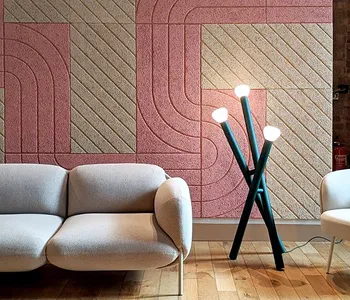
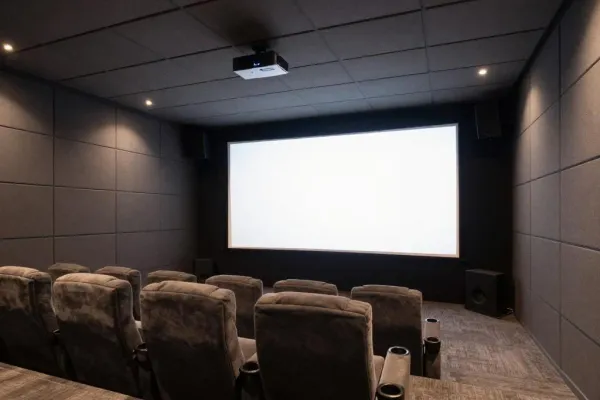
Высококачественные панели из натурального дерева производители и поставщики в Китае. Мы продукт: Дерево акустические панели ПЭТ панели
Чтобы избежать задержки ответа на ваш запрос, пожалуйста, введите ваш WhatsApp/Skype вместе с сообщением, чтобы мы могли связаться с вами в первый же раз.
Мы ответим вам в течение 24 часов. Если для срочного случая, пожалуйста, добавьте WhatsApp/WeChat: +86-13678899682 непосредственно.
Постоянные помехи и фоновый шум могут помешать продуктивности и сосредоточенности в вашем офисе. Стандартные стены и двери часто не способны эффективно блокировать звук, что делает совещания и работу напряженной. Применяя стратегические решения по звукоизоляции, вы сможете создать тихое, профессиональное рабочее пространство, которое будет способствовать концентрации внимания и конфиденциальности речи.
Лучший способ звукоизоляции офиса включает в себя сочетание акустических панелей, винила, нагруженного массой, дверных уплотнителей и погодных прокладок для блокировки утечек звука. Улучшение звукопоглощения стен и потолков, добавление звукопоглощающих панелей и устранение щелей вокруг дверей и окон обеспечивает тишину и акустический контроль в офисе, подходящем для проведения совещаний, записи и сосредоточенной работы.
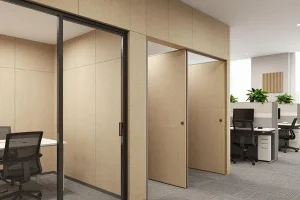
звукоизоляция офиса
Почему звукоизоляция офиса необходима для продуктивной работы?
Какие акустические материалы наиболее эффективны для офисов?
Как акустические панели улучшают звукопоглощение?
Почему герметизация дверей и окон имеет решающее значение для звукоизоляции?
Как винил с массовой нагрузкой (MLV) может уменьшить передачу звука?
Какую роль играет обработка потолка и стен в звукоизоляции?
Как планировка и мебель в офисе могут помочь снизить уровень шума?
Эффективны ли акустические облака и пенопластовые панели в офисах?
Как обеспечить звукоизоляцию в существующих стенах или перегородках?
Советы экспертов по созданию полностью звукоизолированного домашнего офиса
Шумовые отвлекающие факторы в офисной среде могут значительно снизить эффективность работы, повлиять на разборчивость речи и повысить стресс. Даже в домашних офисах внешний шум от транспорта или соседей может нарушить конфиденциальность речи.
Сосредоточившись на офисе звукоизоляцияВы обеспечиваете конфиденциальность разговоров, непрерывность совещаний и концентрацию сотрудников на работе. Исследования показывают, что эффективный контроль шума может повысить эффективность выполнения задач на 30%.
Выбор правильных звукопоглощающих материалов - основа звукоизоляции офиса. К популярным решениям относятся:
Акустические панели (ПЭТ, деревоили на вспененной основе) для впитывания
Массивный винил (MLV) для блокировки передачи звука
Зеленый клей для добавления влаги между слоями гипсокартона
Высококачественные материалы, такие как изготовленные на заказ акустические панели из полиэтилена или дерева, представляют собой долговечное и эстетически привлекательное решение для коммерческих офисов, студий звукозаписи и корпоративных помещений.
Акустические панели работают за счет преобразования звуковых волн в тепловую энергию путем поглощения, уменьшая реверберацию и эхо.
Панели, установленные на стенах и потолках, поглощают средне- и высокочастотные звуки
Звукопоглощающие панели можно стратегически разместить в шумных местах
Сочетание толстых панелей со звукоизоляционными решениями, такими как MLV, создает двойной барьер, улучшая общее снижение шума
Использование настраиваемых акустических панелей позволяет архитекторам и дизайнерам интерьеров органично вписать звукоизоляцию в эстетику офиса.
Даже при использовании высококачественных акустических материалов утечки звука вокруг дверей, окон и щелей могут снизить эффективность. Чтобы блокировать эти утечки:
Установите дверные уплотнители и дверные прокладки
Используйте прокладки для защиты от непогоды вокруг рам
Рассмотрите возможность использования автоматических донышек для дверей с сердечником и офисных дверей из цельного массива
Герметизация зазоров обеспечивает конфиденциальность речи и максимально повышает эффективность всех звукоизоляционных материалов, используемых в офисе.
Массивный винил (MLV) - это плотный материал, который блокирует воздушный шум, не создавая большого объема. Он идеально подходит для:
Офисные стены, потолки и перегородки
Помещения с высоким уровнем внешнего шума, например, городские офисы
Сочетание с гипсокартоном и акустическими панелями для создания многослойных барьеров
MLV позволяет значительно снизить уровень звукопередачи, оставаясь при этом тонким и универсальным, что идеально подходит для модернизации существующих помещений.
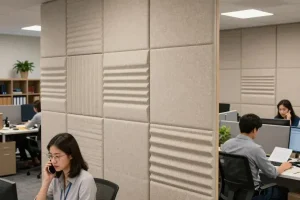
Как винил с массовой нагрузкой (MLV) может уменьшить передачу звука?
Стены и потолки являются основными путями распространения звука. Эффективные методы лечения включают:
Добавление второго слоя гипсокартона с зеленым клеем между ними
Установка акустических потолочных плит или акустических облаков
Использование упругих каналов для развязки стен и потолков
Правильно подобранный потолок и обработка стен гарантирует комплексные решения по звукоизоляции, снижающие как эхо, так и передачу звука.
Офисная мебель и планировка могут служить дополнительной звукоизоляцией:
Книжные шкафы и шкафы у стен могут блокировать шум
Перегородки создают акустические зоны для уединенной работы
Толстые ковры и ковровые покрытия поглощают шаги и уменьшают эхо.
Сочетание структурной звукоизоляции с продуманным дизайном офиса создает более тихую и продуктивную рабочую зону.
Панели из акустической пены и подвесные акустические облака поглощают высокочастотные звуки, уменьшая эхо в офисах с открытой планировкой.
Легкие и самоклеящиеся панели из акустической пены идеально подходят для модернизации.
Акустические облака, подвешенные к потолку, могут снизить уровень реверберации без ущерба для эстетики офиса
Эти решения особенно полезны в домашних офисах или помещениях, где требуется конфиденциальность речи и пониженный уровень шума в офисе.
Модернизация существующих стен требует тщательного планирования:
Используйте MLV под существующей гипсокартонной стеной
Заделайте щели конопаткой вокруг рам и во фланговых пространствах
Добавьте звукопоглощающие панели на видимую поверхность
Многослойные звукоизоляционные решения позволят вам превратить шумные офисные помещения в тихую и сосредоточенную рабочую среду.
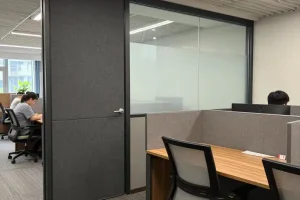
Как планировка и мебель в офисе могут помочь снизить уровень шума?
Комбинируйте двери из цельного массива, дверные проемы и дверные уплотнители
Устанавливайте акустические панели на стены и потолки
Используйте винил с массой и зеленый клей для дополнительной блокировки звука.
Применяйте системы маскировки звука или белый шум там, где полная тишина невозможна
Мебель и декор могут выступать в качестве вторичных абсорбентов
Следуя этим рекомендациям, вы обеспечите акустический контроль в своем домашнем офисе, что позволит вам легче сосредоточиться, вести переговоры или записывать звук.
Можно ли звукоизолировать офис без капитального строительства?
Да, акустические панели, дверные уплотнители, MLV и пенопластовые панели могут значительно снизить уровень шума без разрушения стен.
Насколько эффективен винил с массовой загрузкой (MLV) для снижения шума?
MLV очень эффективен для блокировки звукопередачи, особенно для стен, потолков и полов, при этом он тонкий и гибкий.
Улучшают ли акустические панели эстетику помещения?
Абсолютно верно. Изготовленные на заказ акустические панели из полиэтилена и дерева могут соответствовать дизайну интерьера, обеспечивая при этом звукопоглощение.
Нужна ли погодная завеса для офисных дверей?
Да, погодная лента предотвращает утечку звука вокруг дверей, повышая общую звукоизоляцию офиса.
Как часто следует проверять звукоизоляционные материалы?
Проверяйте уплотнения дверей, панели и слои MLV ежегодно или чаще в условиях интенсивного использования или жесткой эксплуатации.
Эффективная звукоизоляция офисов сочетает в себе акустические панели, MLV, дверные уплотнители и обработку потолка
Герметизация щелей вокруг дверей и окон имеет решающее значение для блокировки шума
Изготовленные на заказ акустические панели из полиэтилена и дерева обеспечивают как снижение уровня шума, так и эстетическую привлекательность
Многослойные материалы, такие как гипсокартон, зеленый клей и MLV, максимально блокируют звук.
Продуманная планировка офисов и мебель улучшают поглощение и контроль шума
Регулярная проверка обеспечивает долговременную работу всех звукоизоляционных решений
Сотрудничество с профессиональным производителем акустических панелей гарантирует индивидуальные решения для коммерческих и домашних офисов

 Russian
  English
  French
  German
  Italian
  Spanish
  Arabic
  Dutch
Dutch