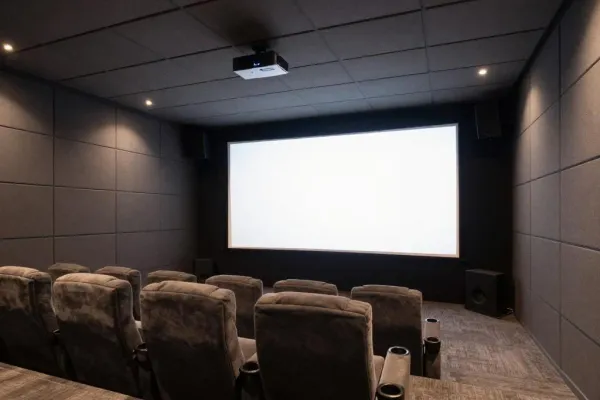
High-Quality Natural Wood Panels Manufacturers and Suppliers In China. We product: Wood Acoustic Panels PET Panels
Avoid your inquiry is delay response, please enter your WhatsApp/Skype along with the message, so we can contact you at the very first time.
We will reply you within 24 hours. If for urgent case, please add WhatsApp/WeChat: +86-13678899682 directly.
Poor acoustics ruin great spaces. Echo, noise buildup, and unclear speech frustrate offices, restaurants, and public buildings. Many projects install panels but still struggle because placement is wrong. The solution? Understanding whether panels belong on the ceiling, walls, or both—before installation begins.
Acoustic panels are usually more effective on the ceiling for controlling overall reverberation and sound distribution, while wall panels improve speech clarity and localized sound control. The best acoustic results come from combining ceiling and wall treatments based on room size, ceiling height, and acoustic goals.

Understanding Acoustic Panels and How Acoustics Work
Ceiling vs Walls: Where Do Acoustic Panels Work Best?
Why Ceiling Acoustic Panels Improve Room Acoustics
When Wall Panels Offer Better Sound Control
Acoustic Ceiling Systems Explained: Types and Applications
How Sound Waves Interact with Ceiling and Wall Surfaces
Are Acoustic Panels Soundproof or Just Sound Absorption Tools?
Choosing the Right Acoustic Solution for Offices and Commercial Spaces
Design Considerations: Ceiling Height, Surface Area, and Layout
Combining Ceiling and Wall Panels for the Best Acoustic Performance
To decide whether panels belong on a ceiling or walls, we first need understanding acoustic principles. Sound travels as sound waves, bouncing between hard surfaces. When untreated, these reflections create echo and excessive reverberation.
An acoustic panel works because it is made from materials designed to absorb sound, converting sound energy into small amounts of heat. These panels are not decorative add-ons—they are engineered acoustic tools.
Acoustic panels are specially designed to:
Absorb sound waves
Prevent sound from bouncing between surfaces
Improve speech intelligibility
Enhance the overall acoustic environment
Modern acoustics focuses on balance rather than silence. The goal is optimal sound, not total quiet.
In our manufacturing experience as a Chinese supplier of PET and wood panels, we’ve seen many projects fail simply because panels are placed randomly instead of following acoustic design logic.
The classic debate—ceiling vs wall placement—is actually a question about sound behavior.
| Placement | Primary Function | Best Use |
|---|---|---|
| Panels on the ceiling | Control overall reverberation | Open offices, halls |
| Panels on the wall | Improve speech clarity | Meeting rooms |
| Ceiling and wall | Balanced acoustic treatment | Commercial interiors |
When comparing ceilings vs walls, remember one key fact: ceilings usually represent the largest uninterrupted surface area in a room.
Because of this:
Ceiling panels work best for reducing echo across the entire space.
Wall panels offer targeted control near listeners and speakers.
In large commercial projects, architects rarely choose one or the other—they combine both as part of a successful acoustic strategy.

A ceiling plays a dominant role in sound behavior because reflections often travel vertically before spreading across the room.
Installing ceiling acoustic panels helps:
Reduce reflected sound
Improve sound distribution
Create balanced room acoustics
Especially in rooms with high ceilings, untreated overhead surfaces cause long reverberation times. This leads to poor speech clarity and listener fatigue.
Ceiling panels reduce echo evenly
Improve acoustic comfort in shared spaces
Maintain clean wall aesthetics
Work well in suspended ceiling systems
Many modern offices install suspended acoustic ceilings or floating baffles to manage sound without altering interior layouts.
As manufacturers providing OEM/ODM solutions, we often recommend PET ceiling panel systems for distributors serving education and office markets because they are lightweight and easy to integrate into existing ceiling system designs.
While ceilings manage overall reflections, wall panels focus on directional sound.
Wall panels are often placed at ear level where conversation occurs. This makes them essential for:
Conference rooms
Recording spaces
Classrooms
Hospitality interiors
An acoustic wall treatment reduces side reflections from side walls, improving speech intelligibility dramatically.
Panels on the wall should be installed:
Behind speakers
Opposite reflective glass
At first reflection points
This type of wall treatment helps absorb direct and reflected sound, delivering clearer communication.
Projects focused on collaboration spaces frequently combine PET acoustic wall panels with decorative wood finishes to achieve both performance and branding goals.
Not every ceiling solution works the same. Today’s acoustic ceiling systems include several configurations.
Types of Acoustic Ceiling Solutions
Ceiling tiles (modular grids)
Suspended acoustic baffles
Linear slat wood ceilings
Cloud-style hanging panels
These types of acoustic solutions vary based on design goals and acoustic needs.
| Type | Application | Advantage |
|---|---|---|
| Ceiling tiles | Offices | Easy replacement |
| Suspended ceiling panels | Airports | Large-scale absorption |
| Wood slat ceilings | Hotels | Decorative acoustics |
| PET clouds | Open workspaces | Flexible placement |
Many commercial developers prefer acoustic ceiling panels because ceilings are typically free of furniture interference.

Sound behaves differently depending on orientation.
When sound hits a ceiling surface, energy spreads across the room. Without treatment, strong sound reflection increases noise levels.
Panels designed to absorb sound waves reduce this effect by controlling sound energy before it returns to listeners.
Key acoustic principle:
The larger the treated surface area, the greater the sound absorption effect.
This is why panels on the ceiling often outperform isolated wall installations in open-plan spaces.
However, combining treatments ensures both early and late reflections are controlled—critical for optimal sound absorption.
A common misunderstanding is that panels make rooms soundproof.
They do not completely block sound transmission between rooms.
Instead, panels:
Reduce noise inside spaces
Improve acoustic performance
Enhance listening comfort
True soundproofing and acoustic treatment are different processes.
| Feature | Acoustic Panels | Soundproof Construction |
|---|---|---|
| Reduce echo | ✔ | ✔ |
| Block external noise | ✖ | ✔ |
| Improve speech clarity | ✔ | ✔ |
High-quality panels are effective at blocking reflections, not preventing sound from passing through walls.
Understanding this distinction helps clients select the correct acoustic solution.
For distributors and contractors, choosing between ceiling and wall panels depends on project function.
In offices, panels improve:
Speech clarity
Employee comfort
Productivity
Typical layout:
Ceiling panels for overall control
Wall panels near collaboration zones
Our B2B clients—importers and architects—often request customized panel solutions integrating branding colors and fire-rated PET materials.
Every acoustic design begins with room analysis.
Important factors include:
Room size
Ceiling height
Surface materials
Furniture density
High ceilings require more overhead treatment because sound travels longer distances.
Calculate total surface area
Identify reflective materials
Determine acoustic goals
Match panels to specific acoustic requirements
Well-planned ceiling treatments significantly reduce noise and enhance workplace comfort.
Architects working on public buildings frequently request guidance on acoustic ceiling systems, which we provide through project-based OEM collaboration.
The best results rarely come from choosing walls or ceilings alone.
A balanced approach using ceiling and wall acoustic panels produces the best acoustic outcome.
60–70% ceiling coverage
30–40% wall coverage
This combination helps:
Prevent sound from bouncing
Improve speech intelligibility
Create consistent sound distribution
When acoustic panels are installed strategically, spaces achieve measurable improvements in acoustic comfort.
Modern interiors increasingly use acoustic wall and ceiling panels together to align performance with aesthetics.
Are acoustic panels better on walls or ceilings?
Ceiling placement controls overall reverberation, while walls improve localized clarity. Most spaces perform best with both.
Do ceiling panels reduce noise more effectively?
Yes, because ceilings usually have larger uninterrupted surfaces, allowing broader sound absorption.
Can acoustic panels make a room soundproof?
No. Panels improve sound quality but do not fully block sound transmission between rooms.
How many ceiling panels are needed?
It depends on room size and ceiling height, but typically 20–40% ceiling coverage improves acoustics significantly.
Are PET acoustic panels suitable for commercial projects?
Yes. PET panels are lightweight, fire-rated, recyclable, and widely used in offices, schools, and public buildings.
Should conference rooms use ceiling or wall panels?
Conference rooms benefit most from wall panels at reflection points plus moderate ceiling treatment.
Ceiling panels control overall reverberation across large spaces.
Wall panels improve speech clarity and localized sound control.
Acoustic panels improve sound quality but are not fully soundproof.
Combining ceiling and wall treatments delivers optimal acoustics.
Room size, ceiling height, and surface materials determine placement strategy.
Customized OEM acoustic panels help distributors and contractors meet project-specific requirements.
If you are planning a commercial project or sourcing reliable acoustic panel manufacturing, choosing the right placement strategy is the first step toward achieving a comfortable, high-performance acoustic environment.

 English
  French
  German
  Italian
  Spanish
  Arabic
  Russian
  Dutch
Dutch