High-Quality Natural Wood Panels Manufacturers and Suppliers In China. We product: Wood Acoustic Panels PET Panels
Avoid your inquiry is delay response, please enter your WhatsApp/Skype along with the message, so we can contact you at the very first time.
We will reply you within 24 hours. If for urgent case, please add WhatsApp/WeChat: +86-13678899682 directly.
Bad room sound can ruin a great space. Even with good speakers, a stylish home office, or a modern home theater, too much reflection and echo can make speech unclear, music harsh, and meetings tiring. The right acoustic treatment solves that problem fast.
The best place to put acoustic panels is usually at the first reflection points on the side wall, ceiling, and rear wall, depending on the room layout and listening position. Good acoustic panel placement helps reduce echo, control reflection, improve sound quality, and create clearer, more balanced acoustics in spaces like a home theater, home office, or home studio.
Why does acoustic panel placement matter so much?
How do acoustic panels work in a real room?
Where should you place acoustic panels first?
Should acoustic panels be placed on walls or ceilings?
What is the first reflection point and why is it important?
Where should you put acoustic panels in a home theater?
What about acoustic panels in a home office?
How do you place acoustic panels in a home studio?
Do you need bass traps with standard acoustic panels?
What mistakes should you avoid when installing acoustic panels?
How many panels do you really need in every room?
How can custom acoustic panels improve design and performance?
Many people buy acoustic panels but still feel disappointed with the result. The problem is often not the panel itself. The problem is where the panels are placed. Even high-quality acoustic panels can underperform when they are installed in the wrong spots or only for decoration.
Good acoustic panel placement controls how a sound wave moves through a space. When sound waves travel from speakers, voices, or instruments, they hit hard surfaces and create reflection. That reflected sound comes back into the room, causing muddiness, flutter echo, and poor clarity. This is why knowing where to place acoustic panels is more important than simply buying more of them.
In our experience as a manufacturer of PET and wood acoustic panels for global B2B clients, the best projects start with layout planning, not product selection alone. Distributors, architects, contractors, and brand owners get the best results when panel quantity, size, and location are matched to the room’s actual acoustic needs.
To understand where to put acoustic panels, you first need to know how acoustic panels work. These panels absorb part of the sound energy that would otherwise bounce off hard surfaces. In simple terms, they help absorb sound waves and reduce unwanted reflection.
That does not mean acoustic panels don’t block all sound or make a room silent. Instead, acoustic panels work by reducing the amount of the sound waves that reflect back into the listening area. This helps improve sound, speech clarity, and overall room acoustics.
A small amount of the sound should still remain lively, especially in living spaces and offices. That is why smart acoustic treatment is about balance. Over-treating one area and ignoring another can adversely affect the acoustic treatment and make the room feel dull or uneven.
If you only have a limited budget or a small entire set of panels, start with the key reflection zones. In most rooms, the first places to place panels are the side wall, the wall behind the speakers or sound source, and the rear wall behind the listener.
Why start there? Because these are the surfaces where sound waves reflect most strongly and where the reflected sound can interfere with direct sound. When parallel walls are left untreated, the room may develop echo problems and confusing sound patterns in a given room.
A practical order is:
First reflection points
The ceiling
The wall behind the listener
Corners for bass traps
This simple plan helps you know where to place treatment for fast improvement.
A common question is whether acoustic panels should be placed on walls or on the ceiling. The answer is often both. In many rooms, walls and ceilings work together to create the main reflection paths.
Wall treatment is essential because the side of the room often causes early reflections that damage stereo imaging and voice clarity. At the same time, ceiling reflections are easy to ignore but can be very strong, especially in rooms with hard floors, glass, and flat painted ceilings. This is why ceiling panels or an acoustic ceiling solution can be very effective.
For better acoustics, many designers use acoustic clouds above seating, desks, or listening areas. These suspended panels are excellent in conference rooms, open-plan offices, studios, and a home theatre where overhead reflections can blur detail.
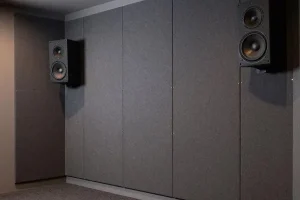
acoustic panels
The first reflection is the earliest reflected sound that reaches your ears after the direct sound. This matters because those reflections can make audio feel smeared or harsh. The first reflection point is usually the most important location in any placement of acoustic panels strategy.
A classic way to find it is to use the mirror trick. Ask someone to move a mirror along the wall while you sit in the main listening position. When you can see the speaker in the mirror, that is a likely first reflection point. That is where you should position the panels.
This is one of the best ways to hang acoustic panels effectively. It is simple, affordable, and highly useful in a home theater, meeting room, or home studio. When panels are installed there, the direct sound stands out more clearly and the room delivers best sound with less listening fatigue.
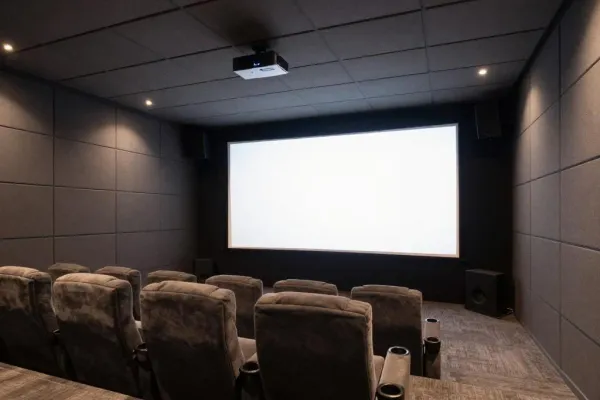
In a home theater, the goal is clean dialogue, stable surround effects, and balanced bass. You usually want to place the panels at the first reflection points, on the ceiling, and on the rear wall. In some cases, placing panels behind the seating area helps reduce slap echo and improve immersion.
You may also need treatment behind the speakers or directly behind the front soundstage, depending on speaker type and room size. Some installers use panels behind screens or decorative fabric walls. Others add acoustical panels along the wall to control energy moving across the room.
A useful setup for a small or medium home theater includes:
2 to 4 acoustic panels at first reflection points
2 ceiling panels
2 panels on the rear wall
Corner bass traps
This layout can greatly improve the sound without making the room feel overtreated.
Modern workspaces often have hard desks, bare walls, and lots of video calls. That means a home office can suffer from echo, poor speech intelligibility, and tiring sound. The best panels in a home office are usually placed on the wall behind the speaker, on the side reflection areas, or on the wall visible during calls.
In practical terms, acoustic panels in a home office help reduce echo, improve speech pickup, and create a more comfortable working space. This is especially useful for consultants, remote teams, online teachers, and managers who spend hours in meetings.
For commercial B2B projects, many of our clients choose PET or wood wall panels because they combine sound control with a professional interior look. That is important for architects and brand owners who want acoustic panels in a home or office setting that also support visual design.
A home studio needs more precise treatment than a casual listening room. Here, the placement will vary depending on monitors, desk position, room size, and the type of work being done. If you mix or record, installing acoustic panels in the correct spots is essential.
Start with the side reflections, then treat the ceiling above the listening position, and then the wall behind you. If you are building a recording studio corner for vocals, consider acoustic foam or thicker acoustical products around the mic area. For music production, the goal is not just less echo. It is controlled and repeatable sound quality.
When installing acoustic products in a home studio, many people forget low frequencies. That is why combining standard acoustic panels with bass traps usually helps achieve more accurate monitoring and more reliable mix decisions.
Yes, in many cases you do. Regular acoustic panels are very good for mid and high frequencies, but bass energy behaves differently. Low-frequency sound waves will reach corners and boundaries, build up there, and create uneven response.
That is where bass traps come in. They are usually placed in room corners, where a large amount of the sound waves gathers. Without them, a room may still sound boomy even if the walls look fully treated.
So while panels work well for reflection control, bass traps are often needed to achieve perfect sound in a serious listening room, home theater, or home studio. In short: combine both if you want to achieve the best results.
The biggest mistake is random placement. Some people just spread panels evenly around the room without understanding how sound travels. That can waste money and still leave the main problems untouched.
Another mistake is putting all treatment on one surface only. If you treat only one wall and ignore the ceiling or the side wall, the sound may still feel uneven. Also avoid placing panels too high, too low, or too far from the listening zone. Good positioning panels means treating where sound waves come into contact with surfaces first.
Other common mistakes include:
Ignoring the first reflection
Forgetting the rear wall
Not using bass traps
Treating decoration as true acoustic treatment
Buying the wrong thickness for the job
When panels should be installed with a clear plan, performance improves much faster.
There is no one-number answer because every room is different. The right quantity depends on room size, surface materials, ceiling height, and whether the room is for work, music, movies, or conversation.
As a rough guide, small rooms often start with 6 to 10 acoustic panels. Medium spaces may need more, especially if they have many reflective surfaces. For optimal placement, fewer high-quality panels in the right locations are usually better than many thin panels in random places.
A simple planning table can help:
| Room Type | Suggested Starting Layout | Main Goal |
|---|---|---|
| Home office | 4–6 acoustic panels | Clear speech, less echo |
| Home theater | 6–10 acoustic panels + bass traps | Better dialogue, surround clarity |
| Home studio | 6–12 acoustic panels + bass traps + ceiling treatment | Accurate monitoring |
| Meeting room | 8–16 acoustic panels | Speech control, comfort |
| Open office | Custom layout with wall and ceiling coverage | Noise reduction and privacy feel |
For large commercial projects, custom design is even more important because placement will vary depending on room function, traffic flow, and design intent.
High-performance treatment does not need to look industrial. Today’s sound panel systems can be tailored to architecture, branding, and interior style. This is why custom solutions are increasingly popular with developers, contractors, and OEM/ODM buyers.
As a Chinese manufacturer focused on PET acoustic panels and wood acoustic panels, we see strong demand for solutions that improve performance while fitting modern interiors. Many clients want an acoustic wall feature, branded finishes, decorative slats, fire-rated options, or sustainable materials that support both function and design value.
Strategically placing acoustic panels is only one part of the result. The other part is choosing the right density, thickness, finish, and installation method. For B2B buyers, this makes a big difference in project success, client satisfaction, and repeat orders.

One of the most common requests we hear is from project teams asking how to improve a room without changing the entire design. In one recent office media room layout, the client had strong echo because of glass, painted walls, and a flat ceiling. Speech was bouncing around the room and making presentations tiring.
We recommended:
first reflection treatment on both side walls
two acoustic clouds above the main seating area
rear wall treatment
decorative wood-finish acoustic panels
The result was a noticeable drop in echo and clearer speech during presentations. The visual design stayed clean, and the client kept the premium interior style they wanted. This is a good example of strategically placing acoustic panels instead of overloading the room.
Do acoustic panels need to cover the whole wall?
No. In most cases, acoustic panels do not need to cover the entire wall. A smaller number of panels placed at key reflection points often performs better than full coverage in random locations.
Should I put acoustic panels on the ceiling?
Yes, often you should. Ceiling reflections are very common, especially in rooms with hard floors. A treated ceiling or suspended ceiling panels can make a big difference in clarity.
Where is the best place to put acoustic panels in a small room?
The best place is usually the first reflection points, the wall behind the listener, and sometimes the wall behind the speakers. Add corner bass traps if low-frequency problems are obvious.
Do acoustic panels improve bass?
Regular panels mostly help with mid and high frequencies. To control bass, you usually need bass traps in the corners.
Can acoustic panels work in a home office?
Yes. Acoustic panels in a home office can improve call clarity, reduce echo, and make the room more comfortable for daily work and meetings.
Are custom acoustic panels better than standard panels?
They can be, especially for commercial spaces, branded interiors, and projects with design requirements. Custom panels can match size, finish, and performance targets more closely.
Acoustic panels work best when placed at reflection points, not randomly.
Start with the side walls, ceiling, and rear wall.
Use the mirror trick to find the first reflection point.
In a home theater, combine wall, ceiling, and corner treatment.
In a home office, focus on speech clarity and comfort.
In a home studio, add bass traps for better low-frequency control.
Custom PET and wood panel solutions can improve both sound and design.
Good placement helps reduce echo, improve sound quality, and support better overall acoustic treatment.

 English
  French
  German
  Italian
  Spanish
  Arabic
  Russian
  Dutch
Dutch