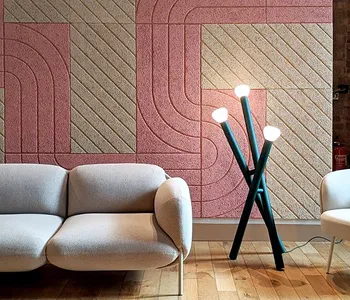
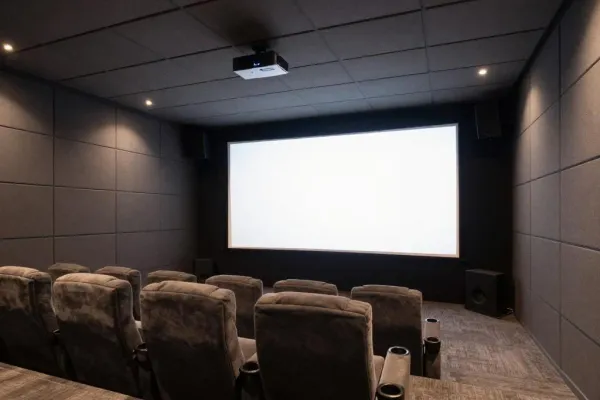
High-Quality Natural Wood Panels Manufacturers and Suppliers In China. We product: Wood Acoustic Panels PET Panels
Avoid your inquiry is delay response, please enter your WhatsApp/Skype along with the message, so we can contact you at the very first time.
We will reply you within 24 hours. If for urgent case, please add WhatsApp/WeChat: +86-13678899682 directly.
Constant interruptions and background noise can ruin productivity and focus in your office. Standard walls and doors often fail to block sound effectively, making meetings and work stressful. By implementing strategic soundproofing solutions, you can create a quiet, professional workspace that enhances focus and speech privacy.
The best way to soundproof an office involves combining acoustic panels, mass loaded vinyl, door seals, and weather stripping to block sound leaks. Improving wall and ceiling absorption, adding sound-absorbing panels, and addressing gaps around doors and windows ensures a quiet, acoustically controlled office space suitable for meetings, recording, and focused work.
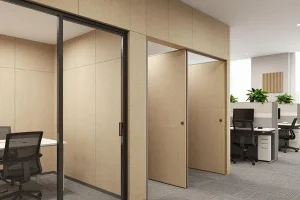
soundproof an office
Why Is Office Soundproofing Essential for Productivity?
What Are the Most Effective Acoustic Materials for Offices?
How Do Acoustic Panels Improve Sound Absorption?
Why Is Sealing Doors and Windows Critical in Soundproofing?
How Can Mass Loaded Vinyl (MLV) Reduce Sound Transmission?
What Role Does Ceiling and Wall Treatment Play in Soundproofing?
How Can Office Layout and Furniture Help Reduce Noise?
Are Acoustic Clouds and Foam Panels Effective in Offices?
How to Manage Soundproofing in Existing Walls or Partitions?
Expert Tips for a Fully Soundproof Home Office
Noise distractions in an office environment can significantly reduce work efficiency, impact speech intelligibility, and increase stress. Even in home offices, external noise from traffic or neighbors can compromise speech privacy.
By focusing on office soundproofing, you ensure that conversations remain private, meetings are uninterrupted, and employees can concentrate on their work. Studies show that effective noise control can improve task performance by up to 30%.
Choosing the right sound-absorbing materials is the foundation of office soundproofing. Popular solutions include:
Acoustic panels (PET, wood, or foam-based) for absorption
Mass loaded vinyl (MLV) for blocking sound transmission
Green glue for adding damping between layers of drywall
High-quality materials, such as custom PET or wood acoustic panels, provide a durable and aesthetically pleasing solution for commercial offices, recording studios, and corporate spaces.
Acoustic panels work by converting sound waves into heat energy through absorption, reducing reverberation and echo.
Panels installed on walls and ceilings absorb mid- to high-frequency sounds
Sound-absorbing panels can be strategically placed around noisy areas
Combining thick panels with soundproofing solutions like MLV creates a dual barrier, improving overall noise reduction
Using customizable acoustic panels allows architects and interior designers to integrate soundproofing seamlessly into office aesthetics.
Even with high-quality acoustic materials, sound leaks around doors, windows, and gaps can compromise effectiveness. To block these leaks:
Install door seals and door sweeps
Use weather stripping around frames
Consider automatic door bottoms for core doors and solid core office doors
Sealing gaps ensures speech privacy and maximizes the efficiency of all soundproofing materials used in the office.
Mass loaded vinyl (MLV) is a dense material that blocks airborne noise without adding much bulk. It’s ideal for:
Office walls, ceilings, and partitions
Spaces with high external noise, like urban offices
Combining with drywall and acoustic panels to create multi-layered barriers
MLV can reduce sound transmission significantly while remaining thin and versatile, perfect for retrofitting existing spaces.
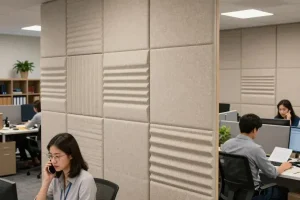
How Can Mass Loaded Vinyl (MLV) Reduce Sound Transmission?
Walls and ceilings are primary paths for sound travel. Effective treatments include:
Adding a second layer of drywall with green glue in between
Installing acoustic ceiling tiles or acoustic clouds
Using resilient channels to decouple walls and ceilings
Proper ceiling and wall treatment ensures soundproofing solutions are comprehensive, reducing both echo and transmission.
Office furniture and layout can serve as secondary soundproofing:
Bookcases and cabinets against walls can block noise
Partitions create acoustic zones for private work
Thick rugs and carpets absorb footfall and reduce echo
Combining structural soundproofing with smart office design creates a quieter and more productive workspace.
Acoustic foam panels and hanging acoustic clouds absorb high-frequency sounds, reducing echo in open-plan offices.
Acoustic foam panels are lightweight and self-adhesive, ideal for retrofits
Acoustic clouds suspended from ceilings can reduce reverberation without compromising office aesthetics
These solutions are especially useful in home offices or areas requiring speech privacy and reduced office sound.
Retrofitting existing walls requires careful planning:
Use MLV under existing drywall
Seal gaps with caulk around frames and flank spaces
Add sound-absorbing panels on the visible surface
By layering soundproofing solutions, you can transform noisy office spaces into quiet, focused work environments.
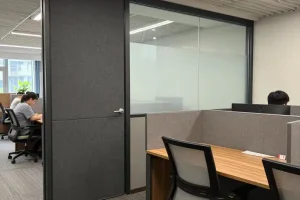
How Can Office Layout and Furniture Help Reduce Noise?
Combine solid core doors, door sweeps, and door seals
Install acoustic panels on walls and ceilings
Use mass loaded vinyl and green glue for added sound blocking
Implement sound masking systems or white noise where complete silence is impossible
Furniture and décor can act as secondary absorbers
Following these steps ensures your home office is acoustically controlled, making it easier to focus, conduct calls, or record audio.
Can I soundproof an office without major construction?
Yes, acoustic panels, door seals, MLV, and foam panels can significantly reduce sound without tearing down walls.
How effective is mass loaded vinyl (MLV) for noise reduction?
MLV is highly effective for blocking sound transmission, particularly for walls, ceilings, and floors, while being thin and flexible.
Do acoustic panels also improve room aesthetics?
Absolutely. Custom PET and wood acoustic panels can match interior designs while providing sound absorption.
Is weather stripping necessary for office doors?
Yes, weather stripping prevents sound leaks around doors, enhancing overall office soundproofing.
How often should I inspect soundproofing materials?
Check door seals, panels, and MLV layers annually, or more frequently in high-use or harsh environments.
Effective office soundproofing combines acoustic panels, MLV, door seals, and ceiling treatment
Sealing gaps around doors and windows is crucial to block noise
Custom PET and wood acoustic panels offer both noise reduction and aesthetic appeal
Layering materials like drywall, green glue, and MLV maximizes sound blocking
Smart office layouts and furniture enhance absorption and noise control
Regular inspection ensures long-term performance of all soundproofing solutions
Partnering with a professional acoustic panel manufacturer guarantees tailored solutions for commercial and home offices

 English
  French
  German
  Italian
  Spanish
  Arabic
  Russian
  Dutch
Dutch