Pannelli di legno naturale di alta qualità Produttori e fornitori in Cina. Noi produciamo: Pannelli acustici in legno Pannelli in PET
Evita che la tua richiesta sia una risposta tardiva, inserisci il tuo WhatsApp/Skype insieme al messaggio, in modo da poterti contattare al primo colpo.
Vi risponderemo entro 24 ore. Se per il caso urgente, si prega di aggiungere WhatsApp/WeChat: +86-13678899682 direttamente.
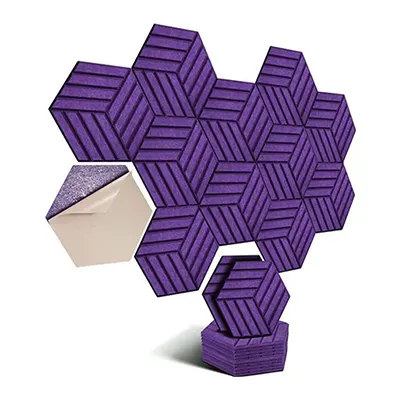
Self-adhesive acoustic wall panels are sound-absorbing panels with a pre-applied adhesive backing, designed to be pressed onto a wall without screws, brackets, or tools. They’re built for quick residential or small-office installs. For commercial fit-outs, warehousing, or panels above a few hundred grams each, mechanical mounting is usually the safer default — and this is the distinction most listings gloss over.
The category covers two different products that get marketed under the same term. One is a genuinely peel-and-stick panel — foam or thin PET tile with factory-applied adhesive tape or gel pads on the back. The other is a standard acoustic panel that a retailer suggests mounting with construction adhesive, which is a different installation method entirely and depends on the installer choosing the right adhesive for the wall type.

Peel-and-stick panels solve a real problem: renters and small-space users often can’t drill into walls, and they don’t want to hire an installer for a dozen tiles. The adhesive backing removes both barriers. Installation takes minutes, no tools are required, and light panels rarely stress the wall surface enough to cause damage on removal — provided the adhesive is rated for clean removal, which not all of them are.
This is where the fit ends for most B2B buyers, though. A distributor stocking panels for architects, contractors, or hospitality projects is specifying for walls that get repainted, panels that get swapped between tenants, and installations that need to survive years of use — not a dorm room.

For wood slat and veneer acoustic panels, mechanical mounting — screws into studs or furring strips, or a bracket-and-hanger system — is the standard approach in commercial specification. As one example of how this looks in practice, BEIEN’s panel hanger accessory ships as a single-screw, single-nut, single-bracket, single-wrench set designed specifically for compatibility with its own pannelli acustici in legno; it’s a illustration of the hardware category, not a claim that applies to adhesive-mounted foam tiles.
Compared with typical small-pack adhesive tile listings sold through general retail and marketplace channels, commercial-grade panel systems are specified around wall type, load, and reinstallation needs first, with the mounting hardware chosen to match — rather than the mounting method being fixed by the product’s packaging.
| Factor | Self-Adhesive Mounting | Mechanical Mounting |
|---|---|---|
| Typical Panel Weight Supported | Under 1–2 kg per unit | No inherent limit; capacity depends on the selected brackets, screws and anchors |
| Wall Damage on Removal | Possible, depending on adhesive curing and the wall finish | Minimal; mounting holes can generally be patched |
| Suitable Wall Types | Smooth drywall and primed surfaces | Drywall, plaster and block walls with appropriate anchors |
| Repositioning After Installation | Difficult once the adhesive has cured | Straightforward when bracket systems are used |
| Common Use Cases | Home studios, rental spaces and small offices | Commercial interiors, hospitality spaces, retail stores and offices |
| Tools Required | Nessuno | Drill, screws and level |
Mounting method and fire classification are independent variables, and it’s worth not conflating them. A panel’s fire rating comes from its core material and surface treatment, tested under standards such as EN 13501-1:2018, not from how it’s attached to the wall. Buyers sourcing for commercial or public-space projects should request the test report for the specific panel model and thickness being ordered — a classification result tested on one product configuration doesn’t transfer automatically to a different thickness, color, or surface finish from the same supplier.

Pricing for acoustic wall panels is quotation-based and depends on panel type, dimensions, thickness, surface finish, fire-performance requirements, customization level, packaging, order quantity, and shipping terms. There’s no fixed per-panel rate that applies across adhesive tiles and commercial mechanical-mount systems, since the two categories differ in material, testing, and order structure.
They can, on smooth, primed drywall with panels under the adhesive’s rated weight — but many commercial buyers choose mechanical mounting anyway, for reinstallation flexibility and lease-compliance reasons.
It depends on the specific adhesive and how long it’s cured. Some are designed for clean removal; others leave residue or lift paint. Check the manufacturer’s removal instructions before installing on a wall you’ll need to restore.
Acoustic performance depends on the panel’s material and thickness, not the mounting method itself. A thin adhesive tile and a thick mechanically mounted panel will differ in performance because of material, not because of how they’re attached.
This varies by adhesive product and isn’t standardized across the category — confirm the manufacturer’s rated load per panel before specifying, especially for anything heavier than a lightweight foam tile.

 Italian
  English
  French
  German
  Spanish
  Arabic
  Russian
  Dutch
Dutch