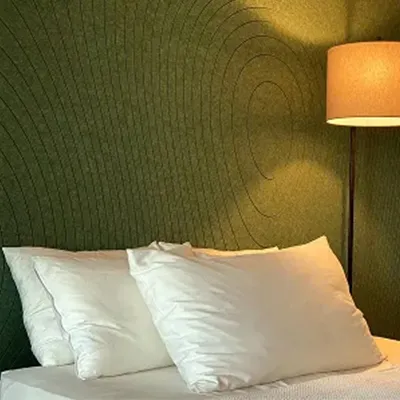
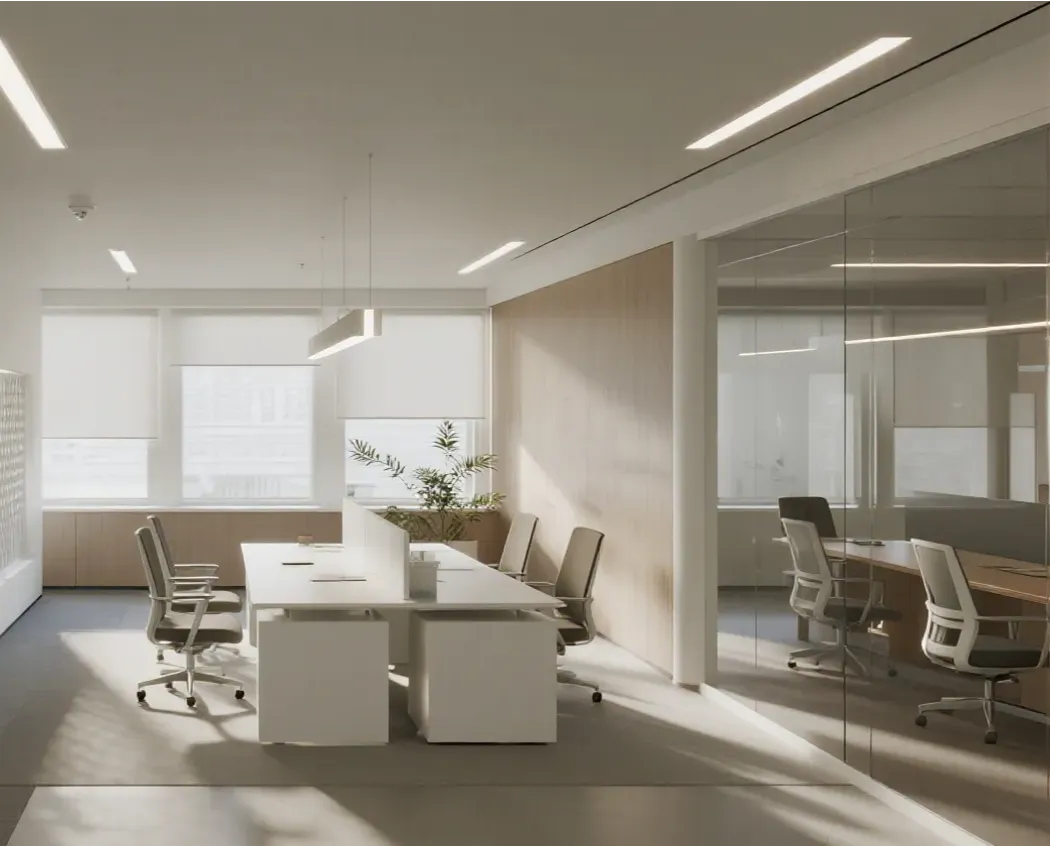
ألواح الخشب الطبيعي عالية الجودة مصنعي وموردي ألواح الخشب الطبيعي في الصين. نحن المنتج: الألواح الخشبية الصوتية ألواح الخشب الصوتي ألواح PET
تجنب تأخير الرد على استفسارك، يُرجى إدخال واتساب/سكايب الخاص بك مع الرسالة، حتى نتمكن من الاتصال بك في المرة الأولى.
سنرد عليك في غضون 24 ساعة. إذا كانت الحالة عاجلة، يُرجى إضافة واتساب/وي تشات: +86-13678899682 مباشرة.
Bad noise kills good spaces. Echo makes speech hard to follow, meetings tiring, and restaurants stressful. If you pick the wrong material, you spend money and still hate the sound. The fix is simple: choose sound absorbing materials that match your room, then install them the right way.
Which material muffles sound the best? In most indoor projects, المواد المسامية مثل الألياف الزجاجية و الصوف المعدني (often used inside الألواح الصوتية) deliver the most consistent امتصاص الصوت across mid to high frequencies. With proper thickness, an فجوة الهواء, and the right المعالجة الصوتية plan, they can also help with some low frequencies. Foam helps too—especially خلية مفتوحة الرغوة الصوتية—but it’s not always the best all-around choice.
Many buyers say they want “عازل للصوت” rooms, but most spaces need امتصاص الصوت first. Here’s the plain difference:
عازل للصوت (أو عازل للصوت) focuses on what blocks sound from coming in or going out. That’s usually about amount of mass, airtight layers, and isolation details (think a غرفة داخل غرفة).
الامتصاص focuses on what happens داخل الغرفة—reducing reflections, lowering الترجيع, and improving comfort.
If your room has harsh echo, the best next step is often المعالجة الصوتية, not rebuilding walls. I’ve seen meeting rooms become usable in one day by adding the right acoustic materials on walls and the السقف.
As a China-based manufacturer من البولي إيثيلين تيريفثاليت وخشب صوتي systems, we support B2B clients who want results that look good and measure well. You can start simple. You can scale later.
Sound is moving energy. When الموجات الصوتية hit a surface, three things can happen:
Some energy reflects back (echo).
Some passes through (transmission).
Some gets absorbed.
In reflective rooms—glass, concrete, tile—most energy bounces around. That bounce stacks up into الترجيع, which hurts وضوح الكلام and raises fatigue.
جيد ماص works by letting air move inside its structure. As the air moves through the material, it loses energy. In simple terms, the energy of the sound waves turns into a tiny amount of heat. ولهذا السبب soft materials و fibrous material often outperform smooth, solid surfaces for absorption.
Porous absorber behavior is discussed widely in studio and building acoustics education, including how porous absorbents reduce reflections and control reverberance. (See the porous absorber overview in studio acoustics literature.)
Let’s answer the big question directly: materials absorb sound the best when they are porous, thick enough, and placed correctly.
الألياف الزجاجية و الصوف المعدني: Often the best “all-around” sound absorbing materials for mid to high frequencies, and can help absorb mid energy well when sized correctly.
PET acoustic felt (high-density, engineered): Strong real-world performance, easier handling, and popular for modern designs and OEM branding.
الرغوة (especially خلية مفتوحة): Helpful for reflections, but not always the strongest choice for deeper control or long-term durability in public projects.
So what sound the best option should you choose? In most commercial interiors, fiberglass and mineral wool or engineered PET solutions win because they offer effective absorption while fitting clean architectural finishes.
As a supplier, we often pair PET cores with wood slat faces or fabric finishes to reach design goals while maintaining التحكم الصوتي.
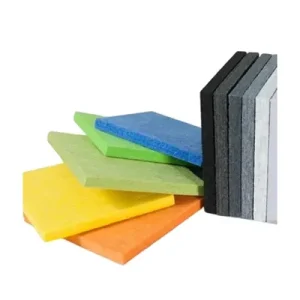
A Simple Guide to PET Felt Acoustic Panels
Here’s the simple rule: the best absorbers let air move through, then resist that motion in a controlled way.
Key ideas:
Porosity: how much open space the material has (air pathways).
Tortuosity: how “twisty” the pathways are. Twisty paths increase friction and improve absorption.
Thickness and density: a balance matters. Too thin can fail; too dense can reduce airflow.
لهذا السبب المواد المسامية like mineral wool and fiberglass work so well: the structure is built for airflow resistance.
Also, most absorbers work better when you leave an فجوة الهواء behind them. That gap increases velocity at the absorber face and can improve low-end performance. Education resources on porous panels often highlight that spacing can increase absorption, especially when placed off the wall/ceiling.
Practical takeaway: If your project has a drop السقف, you can integrate غيوم السقف or suspended panels with an air space. It looks intentional and performs better.
Low bass is harder. Low frequencies have long wavelengths, so thin treatments don’t “grab” them well.
Standard wall panels mostly help mid to high frequencies.
To improve bass, you need thicker absorbers, corner placement, or مصائد القارورة.Low frequencies
A simple plan for many rooms:
Use wall panels for speech and comfort.
إضافة مصائد القارورة in corners if the room has boomy bass (common in a المسارح المنزلية room or small studio).
Add a ceiling cloud to reduce strong top reflections.
If you’re building a استوديو التسجيل أو vocal booths, this mix matters even more. Your goal is balanced absorption across bands—absorption across more than one frequency region.
Let’s be honest: foam is popular because it’s easy. But it doesn’t automatically mean good soundproofing.
الرغوة الصوتية is mainly for الامتصاص, not blocking transmission.
Foam can reduce reflections and help خفض الصوت bounce in small rooms.
It usually won’t stop الضوضاء الخارجية from entering. For that, you need construction details.
Also, foam type matters:
Open-cell foam generally performs better for absorbing and reducing sound because air passes through and dissipates energy.
Closed cell foam tends to be more water-resistant and less effective at absorption for typical indoor acoustic needs.
So yes, foam panels can help. But if your room sounds harsh, you may get better value from لباد الحيوانات الأليفة systems or ألواح مغلفة بالقماش built as engineered absorbers.
Buyers often see “NRC 0.9” and assume it means “90% soundproof.” That’s not what it means.
المجلس النرويجي للاجئين (Noise Reduction Coefficient) is a single-number average of measured absorption values at several mid-range frequencies (commonly 250, 500, 1000, 2000 Hz).
It describes how much الطاقة الصوتية a surface absorbs in that test range, not how much sound it blocks.
| متري | ما يعنيه ذلك | الأفضل لـ |
| المجلس النرويجي للاجئين / معامل تقليل الضوضاء | Average الامتصاص at mid frequencies | Offices, classrooms, restaurants |
| STC (not the same) | Transmission loss through a wall/door | Keeping noise out/in |
Testing standards matter too. Reverberation-room methods are common in the industry, including standards used to measure absorption coefficients. ISO describes measurement of sound absorption in a reverberation room for wall/ceiling treatments.
My advice: ask for test reports, not marketing claims. For large public projects, it’s the safest approach.
Placement changes results—fast.
غيوم السقف above seating, meeting tables, or open-plan work zones
Side walls at first reflection points (helps speech and comfort)
Rear wall of meeting rooms (reduces slapback)
Corners for bass control (if needed)
If you treat only one surface, start with the السقف. Sound hits it constantly, especially in open-plan spaces.
Also, keep your design clean:
Use PET felt as a visible finish
Or use wood slats over an absorber core
Or choose panels wrapped in acoustically transparent fabric
This keeps the look premium and the performance real.
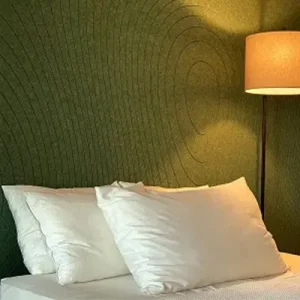
Fabric for Acoustic Panels
A distributor client worked with a contractor on a large open office. Complaints included harsh echo and poor call quality. The room had lots of الأسطح الصلبة and little absorption.
Clearer meetings and fewer “repeat that” moments
Better comfort at peak hours
A more premium visual finish that matched the brand
This is the real secret: acoustic work is not only about science. It’s about behavior and workflow. When you improve comfort, you improve productivity. That’s why صوتي design is a strong ROI story for commercial builds.
If you’re a distributor, architect, or brand owner, you need more than “good panels.” You need a solution that ships reliably, installs easily, and stays consistent across multiple projects.
Here’s how we support global B2B clients as a China manufacturer:
Target use: classroom, office, restaurant, theater, lobby
Design: wood slat, PET color, نسيج صوتي, shape
Performance target: basic comfort vs advanced acoustic control
Fire and safety requirements (project-dependent)
Packaging and branding needs for OEM/ODM
PET thickness, density, and panel geometry
Wood veneer or laminate face options
Perforation patterns and matching accessories
Project cartons, labels, and brand inserts
If your goal is “one supplier for many regions,” you want stable production and consistent quality control. We build for that. We support importers and project contractors who need confidence, not surprises.
For most offices, porous absorbers like mineral wool, fiberglass panels, and engineered PET systems provide strong absorption and better speech comfort. Add ceiling clouds for fast improvement.
Foam can absorb reflections, especially open-cell foam, but fiberglass and mineral wool often deliver more consistent performance across mid to high frequencies and scale better in large projects.
Many designers choose PET and wood slat systems because they combine clean looks with real acoustic control. You can tune thickness, color, and layout for the room.
No. Acoustic panels mainly improve absorption and reduce reverberation within a room. For blocking noise between rooms, you need soundproof construction methods.
Use NRC as a mid-frequency absorption guide, not as “soundproof level.” NRC is an averaged rating from standardized test frequency bands. Ask for test reports and installation guidance.
An air gap can increase effective absorption by improving how air motion interacts with the absorber, often improving performance toward lower frequencies.
الامتصاص improves comfort داخل الغرفة; عازل للصوت focuses on blocking transmission.
In many real projects, الألياف الزجاجية و الصوف المعدني are among the best sound absorbing materials for broad absorption.
Engineered PET and wood systems can deliver strong results with better design flexibility.
Open-cell foam helps reflections, but it’s not a complete answer for every build.
الاستخدام المجلس النرويجي للاجئين as a guide, and demand test data based on recognized methods.
Placement matters: start with the السقف and key reflection zones, then add bass control if needed.
If you tell me your target project type (office, school, restaurant, theater), I can turn this into a buyer-ready “spec + layout + bill of materials” section tailored for distributors, architects, and OEM/ODM brand owners.

 Arabic
  English
  French
  German
  Italian
  Spanish
  Russian
  Dutch
Dutch